Japan's Best Hiking Trails

Pardeep Singh
| 12-11-2026
 · Travel Team
Japan’s hiking appeal goes far beyond Mount Fuji. With mountains covering much of the country, travelers can choose between ancient pilgrimage routes, moss-covered forests, easy day walks and demanding multi-day adventures in the Japanese Alps.
Public transport reaches many trailheads, while mountain huts and hot springs make longer journeys easier to organize.
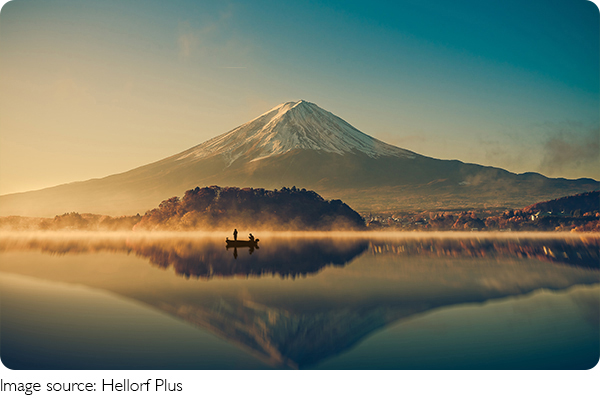
Mount Fuji For The Classic Climb
At 3,776 meters, Mount Fuji is Japan’s highest peak and its most symbolic hike.
The popular Yoshida Trail is about 15 km round trip and usually requires 10–12 hours. Many hikers stay overnight in a mountain hut before continuing to the summit for sunrise.
The official 2026 climbing season ran from July 1 to September 10. Access via the Yoshida Trail required a ¥4,000 fee, equivalent to about €23.
Outside the official season, climbing above the fifth station is prohibited because of dangerous conditions.
Kumano Kodo For Tradition
The Kumano Kodo offers a completely different experience.
These ancient pilgrimage trails cross the forested Kii Peninsula between historic shrines, small villages and hot-spring settlements. One popular section from Takijiri-oji to Kumano Hongu Taisha covers roughly 38 km and can be walked in two days.
The route itself is free, although accommodation in traditional guesthouses commonly becomes the biggest expense.
Spring and autumn are particularly pleasant, while early summer rain can make stone paths slippery.
Nakasendo For History
The preserved section of the Nakasendo between Magome and Tsumago is ideal for a relaxed day hike.
The 7.8 km trail follows an old Edo-period highway through cedar forest, rural settlements and beautifully preserved post towns.
It takes around three to four hours and does not require an entrance fee.
March to November offers the most reliable walking conditions, although midsummer can be hot and humid.
Yakushima For Ancient Forests
On the southern island of Yakushima, hiking feels almost prehistoric.
The Shiratani Unsui Gorge winds through thick moss, giant roots and ancient cedar trees, some more than a thousand years old.
A typical 6 km route takes three to four hours and reaches Taiko Rock, where clear weather reveals the island’s mountainous interior.
Rain is common throughout the year, so waterproof clothing is essential even when forecasts appear favorable.
Shiratani Unsui Gorg
Kamikochi For Alpine Views
Kamikochi is the gateway to the Northern Japan Alps.
Easy riverside walks follow the clear Azusa River, while experienced hikers can continue toward peaks such as Yarigatake and Oku-Hotaka.
The challenging Kamikochi–Hotaka–Yari circuit takes about three days and includes exposed ridges that require strong mountain experience.
For less experienced visitors, staying in the valley still provides spectacular scenery without technical climbing.
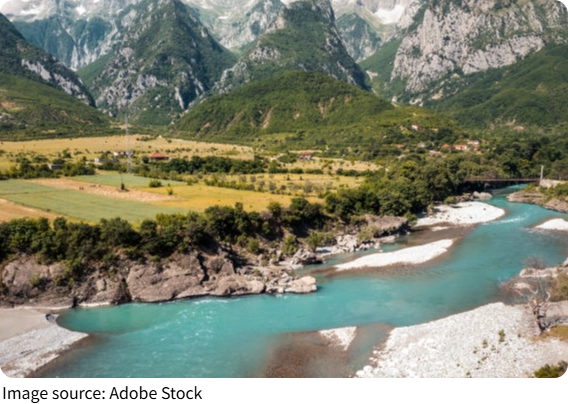
Mount Takao For An Easy Day
Travelers based in Tokyo do not need to go far.
Mount Takao rises to 599 meters and can be reached by train in about an hour from central Tokyo. Several routes climb through forest to temples and viewpoints, with Mount Fuji visible on clear days.
Most trails are free and take around three to four hours return.
Japan’s strength lies in this variety. A hiking trip can combine sacred paths, volcanic landscapes, deep forests and serious alpine terrain without needing to choose only one style of adventure.

