Motorcycle Gear Guide

Pardeep Singh
| 22-07-2026
 · Vehicle Team
Choosing motorcycle gear is one of the most important decisions a rider can make.
While a motorcycle's performance contributes to the riding experience, properly selected protective equipment plays an equally important role in comfort, confidence, and preparedness.
Every piece of gear is designed with a specific purpose, from reducing the effects of impact and abrasion to helping riders stay comfortable in changing weather conditions. Understanding what to look for allows you to invest in equipment that supports both everyday commuting and longer journeys.
Helmet: The Foundation of Rider Protection
A helmet is the most essential piece of riding equipment and should always be the first priority when building a gear collection. A quality helmet is designed to absorb and distribute impact energy while providing coverage for the head. Choosing a model that meets recognized safety standards helps ensure it has been tested for protective performance.
Full-face helmets provide the greatest overall coverage and are widely regarded as the best option for riders seeking comprehensive protection. Modular helmets combine full-face coverage with the convenience of a flip-up chin section, making them popular for commuting and touring. Open-face helmets offer increased ventilation and a wider field of view but provide less overall coverage than full-face designs.
Proper fit is just as important as helmet quality. A helmet should feel evenly snug without creating pressure points or excessive movement. Trying it on for several minutes before purchasing helps confirm long-term comfort and stability.
Jackets: Combining Protection and Practicality
A motorcycle jacket is designed to do far more than provide style. It creates an additional protective layer that helps reduce abrasion during a slide while incorporating impact-absorbing protective inserts in key areas such as the shoulders, elbows, and back.
Leather jackets remain popular because of their excellent abrasion resistance and long-lasting durability. Textile jackets offer greater versatility, with many models featuring weather-resistant materials, adjustable ventilation, and removable thermal liners for changing riding conditions. Regardless of the material, choosing a jacket with certified impact protection significantly enhances its overall protective performance.
A well-fitted jacket should allow unrestricted movement while maintaining full coverage in the riding position. The sleeves should remain securely in place with the arms extended, while the lower back should stay covered when leaning forward to help maintain consistent protection throughout the ride.
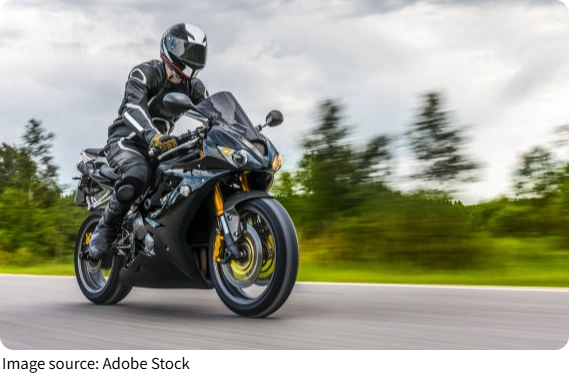
Gloves: Essential Protection for Every Ride
Hands are constantly involved in steering, braking, and operating the controls, making gloves an essential part of every rider's equipment. During an unexpected fall, people naturally extend their hands to reduce impact, increasing the likelihood of hand contact with the ground.
Quality riding gloves typically include reinforced palms, protective knuckle panels, durable stitching, and secure wrist closures to help keep the gloves in position. Short-cuff gloves are suitable for everyday urban riding and warmer weather, while longer gauntlet-style gloves extend beyond the wrist to provide additional coverage for touring and higher-speed travel.
Comfort is equally important. Gloves should fit securely without restricting finger movement, allowing riders to operate the controls with confidence throughout longer rides.
Pants: Protection Beyond Ordinary Clothing
Lower-body protection is often overlooked, yet it is just as important as protecting the upper body. Standard casual trousers are not designed to withstand the demands of motorcycle riding and offer limited resistance to abrasion during a slide.
Purpose-built riding pants are made with abrasion-resistant materials and include certified impact protection at the knees and hips. Riders seeking a more casual appearance may choose reinforced riding jeans that combine everyday style with enhanced durability and additional impact protection.
A comfortable fit allows unrestricted movement while ensuring the protective features remain correctly positioned throughout the ride, helping provide consistent coverage without restricting mobility.
Boots: Stability and Control
Motorcycle boots provide support, stability, and protection in areas that are particularly vulnerable during riding. Reinforced ankle protection, durable soles, and strengthened toe sections help improve both safety and long-term durability.
A high-quality riding boot should provide secure footing when stopping, maintain comfort during extended rides, and offer sufficient flexibility for smooth gear changes and braking. Slip-resistant soles further improve stability on a variety of road surfaces.
Modern riding boots are available in a wide range of styles, allowing riders to select footwear that balances protection with everyday practicality.
Preparing for Changing Weather
Weather conditions can change rapidly, particularly during longer journeys. Layering clothing helps riders remain comfortable across different temperatures without sacrificing mobility.
Moisture-wicking base layers improve temperature regulation by moving perspiration away from the body. Insulating mid-layers provide additional warmth during cooler conditions, while weather-resistant outer garments help protect against wind and rain. Carrying lightweight waterproof gear can make unexpected weather far more manageable.
Reflective details on riding equipment also improve visibility in low-light conditions, making it easier for other road users to recognize a rider's presence.
Choosing Gear That Fits Your Riding Style
Motorcycle gear should match both the rider and the intended type of riding. Urban commuters may prioritize lightweight equipment with ventilation and flexibility, while touring riders often benefit from weather-resistant materials, additional storage features, and extended coverage. Riders who frequently travel on highways may prefer equipment designed for higher levels of protection and long-distance comfort.
Regardless of riding style, comfort should never come at the expense of safety. Properly fitted equipment allows riders to move naturally while ensuring protective features remain in the correct position throughout the journey.
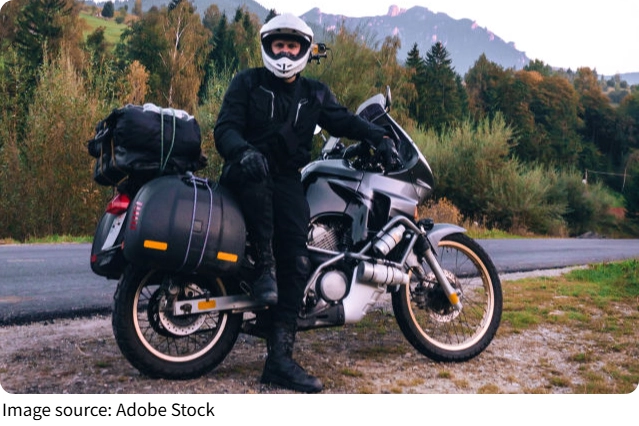
Selecting motorcycle gear is an investment in long-term riding comfort, confidence, and preparedness. Every item, from the helmet to the boots, contributes to creating a complete protective system that supports safer riding in a wide range of conditions. Choosing equipment that fits correctly, incorporates recognized protective features, and suits your riding environment helps ensure every journey is both more comfortable and better protected. With thoughtful preparation and quality gear, riders can focus on enjoying the road with greater peace of mind.