Protect Your Hearing

Amit Sharma
| 15-07-2026
 · Science Team
Hearing plays an essential role in communication, social connection, and overall well-being.
However, age-related hearing changes often develop gradually, making the early signs easy to overlook.
Recognizing these changes early and adopting healthy daily habits may help preserve hearing, improve communication, and support long-term quality of life.
Recognize Early Signs of Hearing Changes
Age-related hearing changes usually occur gradually rather than suddenly. Because the progression is often subtle, many people may not notice the changes until conversations become more difficult. Paying attention to everyday listening experiences can help identify potential concerns and encourage timely evaluation.
According to the National Institute on Deafness and Other Communication Disorders, "Because the loss is gradual, you may not realize that you've lost some of your ability to hear." This highlights the importance of recognizing early changes and seeking professional evaluation when hearing difficulties become noticeable.
You may benefit from a hearing assessment if you regularly increase the television volume more than you previously needed, frequently have difficulty understanding conversations in noisy environments, or often ask others to repeat themselves. Keeping a simple record of situations where hearing becomes difficult may also help identify patterns and provide useful information during a professional evaluation.

Protect Your Hearing Every Day
Protecting hearing does not always require specialized equipment. Consistent daily habits can help reduce unnecessary exposure to excessive noise and support long-term hearing health.
Reduce exposure to loud sounds whenever possible. If you need to raise your voice to communicate with someone nearby, the surrounding noise level may be high enough to affect hearing over time. Taking regular breaks in quieter environments can help reduce cumulative noise exposure.
It is also important to clean the ears safely. Avoid inserting objects into the ear canal, as the ears naturally remove excess earwax and inserting objects may increase the risk of irritation or injury.
Spending a few minutes each day in a calm, quiet environment may also help reduce continuous noise exposure and provide the auditory system with regular periods of rest.
Support Healthy Hearing Through Daily Habits
Maintaining overall health can contribute to healthy hearing throughout life. Staying physically active, following a balanced eating pattern, and managing chronic health conditions may support healthy blood circulation, which is important for the structures involved in hearing.
Routine health checkups can also help identify medical conditions that may affect hearing. Combining healthy lifestyle habits with hearing protection strategies may help preserve communication and listening ability over time.
Seek Professional Assessment
Routine hearing evaluations can help identify hearing changes before they significantly interfere with daily communication. Early assessment allows appropriate management and supports long-term hearing health.
If you notice persistent hearing difficulties, speak with a healthcare professional about a hearing assessment when appropriate. Hearing screening programs and clinical evaluations can help determine whether additional testing is needed. Bringing a family member or close friend to an appointment may also be helpful, as they may notice gradual communication changes that are less obvious to you.
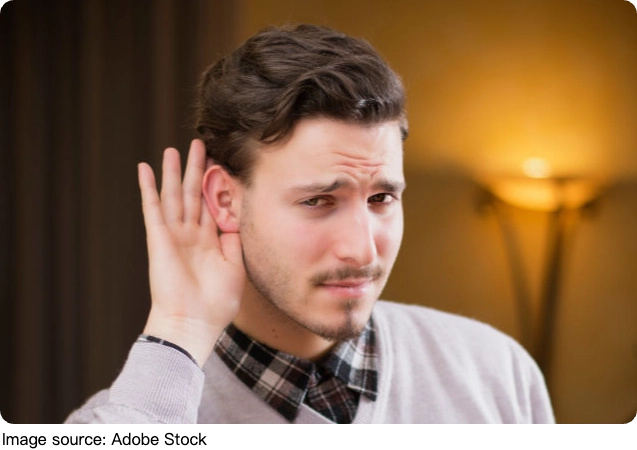
Maintaining healthy hearing is an important part of supporting communication, independence, and overall well-being throughout life. By recognizing early signs, practicing healthy hearing habits, and seeking timely professional assessment when needed, individuals can better protect their hearing over the long term. Taking proactive steps today may help preserve meaningful conversations and everyday connections for years to come.