Wheelchair Safety Guide

Pardeep Singh
| 15-07-2026
 · Science Team
Wheelchairs are essential mobility support devices that help maintain functional independence, facilitate participation in daily activities, and improve quality of life for older adults with reduced mobility.
Appropriate wheelchair selection, proper positioning, regular equipment maintenance, and safe transfer techniques are fundamental components of effective mobility management.
A comprehensive preventive approach can help minimize secondary complications associated with prolonged wheelchair use while supporting physical function, comfort, and long-term health outcomes.
Proper Positioning and Postural Stability
Optimal seating posture is essential for maintaining musculoskeletal alignment, promoting comfort, and reducing excessive mechanical stress on soft tissues and joints. Proper positioning should facilitate symmetrical weight distribution across the seating surface while supporting the pelvis, trunk, and lower extremities in a neutral alignment. Appropriate back support and pressure-distributing cushions contribute to postural stability during prolonged sitting and may reduce localized pressure over weight-bearing areas.
Footrests should be adjusted to provide adequate lower-limb support while maintaining proper hip, knee, and ankle alignment. Periodic reassessment of seating configuration is recommended to accommodate changes in physical condition, mobility status, and functional requirements.
Safe Transfer Techniques and Mobility Assistance
Safe transfer techniques are essential for reducing physical strain and supporting functional mobility during transitions between wheelchairs, beds, chairs, and other surfaces. Transfers should be performed using controlled, coordinated movements that maintain postural stability throughout the process.
Assistive devices, including transfer boards and pivot aids, may improve transfer efficiency and stability when clinically appropriate. Assistance provided by trained caregivers or healthcare personnel should follow standardized transfer procedures to promote safety, reduce unnecessary biomechanical stress, and support consistent movement patterns.

Environmental Adaptation for Safe Mobility
Environmental accessibility is an important factor influencing wheelchair safety and mobility performance. Indoor and outdoor environments should provide sufficient maneuvering space and remain free of unnecessary obstacles that could interfere with wheelchair movement.
Walking surfaces should be level, stable, and slip-resistant to facilitate controlled mobility. Adequate lighting, clear pathways, accessible entrances, and smooth floor transitions further support safe wheelchair navigation while reducing environmental barriers to independent movement.
Equipment Inspection and Preventive Maintenance
Routine inspection and preventive maintenance are essential for maintaining the mechanical integrity and safe operation of wheelchairs. Components including wheels, tires, casters, braking systems, seating supports, footrests, and structural frames should be evaluated regularly for signs of wear, instability, or mechanical deterioration.
Timely replacement of worn components and adherence to recommended maintenance schedules help preserve equipment reliability, optimize mobility performance, and reduce the likelihood of unexpected mechanical failure. Appropriate cleaning and storage practices further contribute to equipment longevity.
Pressure Redistribution and Skin Integrity
Individuals who remain seated for prolonged periods are at increased risk of localized pressure-related tissue damage. Pressure-redistributing cushions and properly fitted seating systems help reduce sustained pressure over vulnerable anatomical areas and support healthy tissue perfusion.
Regular repositioning and periodic weight-shifting are recommended to minimize continuous pressure loading. Routine assessment of skin condition allows early recognition of redness, irritation, or other early signs of tissue compromise, supporting timely intervention and preservation of skin integrity.
Education for Caregivers and Mobility Support Personnel
Education and competency-based training are fundamental components of safe wheelchair management. Caregivers and support personnel should receive instruction in wheelchair positioning, transfer techniques, equipment adjustment, routine inspection, and safe mobility assistance.
The importance of individualized wheelchair services is emphasized by the World Health Organization: "The best outcomes in wheelchair access occur when wheelchair users have the benefit of an individual process of assessment, fitting, training, and follow up, provided by trained personnel."
Individualized care plans that consider functional abilities, mobility limitations, and comfort requirements help optimize mobility outcomes. Ongoing education supports consistent application of current evidence-based mobility practices in daily care.
Psychological Well-Being and Confidence During Mobility
Psychological well-being contributes to safe and effective wheelchair use. Familiarity with mobility equipment, predictable daily routines, and consistent caregiver support promote confidence during transfers and wheelchair operation. A supportive environment may reduce hesitation during movement, encourage participation in daily activities, and contribute to overall functional independence and quality of life.
Routine Clinical Reassessment
Regular clinical reassessment is recommended to ensure that wheelchair equipment, seating systems, and mobility strategies continue to meet the individual's changing functional needs. Alterations in physical condition, posture, mobility capacity, or comfort may require adjustments to wheelchair configuration or supportive accessories.
Periodic evaluation of wheelchair performance, environmental accessibility, skin condition, and transfer techniques facilitates early identification of potential concerns and supports ongoing optimization of mobility management.
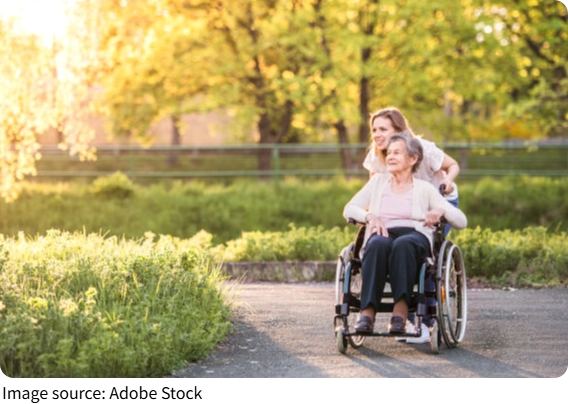
Safe wheelchair use requires a comprehensive and preventive approach that integrates appropriate seating and positioning, evidence-based transfer techniques, routine equipment maintenance, environmental accessibility, pressure redistribution, caregiver education, and periodic clinical reassessment. Consistent implementation of these strategies supports functional independence, preserves musculoskeletal and skin health, enhances mobility safety, and promotes long-term quality of life for older adults using wheelchairs.