Interactive Cat Play

Ravish Kumar
| 15-07-2026
 · Science Team
Cats possess well-developed behavioral instincts related to hunting, exploration, climbing, and environmental observation.
Although domesticated cats adapt well to indoor living, these natural behaviors remain an essential component of their physical and psychological health.
Limited environmental stimulation may contribute to boredom, reduced activity, stress-related behaviors, and diminished overall wellbeing. Providing appropriate environmental enrichment through interactive toys supports cognitive function, physical activity, emotional health, and species-appropriate behavioral expression, thereby promoting overall welfare.
Why Mental Stimulation Is Essential for Cats
Mental stimulation plays a fundamental role in maintaining normal feline behavior and cognitive health. In natural environments, cats continuously engage in hunting, exploring, and investigating their surroundings, all of which provide ongoing cognitive challenges. Indoor environments are often more predictable, reducing opportunities for these instinctive activities.
Interactive toys encourage problem-solving, concentration, and exploratory behavior. Puzzle feeders, moving toys, and treat-dispensing devices stimulate cognitive engagement while encouraging natural investigative and predatory behaviors. These activities provide meaningful environmental enrichment that helps satisfy innate behavioral needs.
Adequate mental stimulation may reduce the likelihood of boredom-associated behaviors, including excessive vocalization, destructive scratching, repetitive behaviors, and social withdrawal. Regular enrichment promotes behavioral balance and supports overall psychological wellbeing.
Interactive Toys Promote Physical Health
Regular physical activity is essential for maintaining a healthy body weight, muscle strength, joint mobility, coordination, and overall physical condition. Interactive toys encourage instinctive movements such as stalking, chasing, pouncing, climbing, and jumping, helping maintain normal musculoskeletal function while reducing sedentary behavior.
Feather wands, rolling toys, and motion-activated devices simulate prey movement, stimulating natural hunting responses and encouraging sustained physical exercise. These activities improve agility, coordination, endurance, and overall physical fitness while providing appropriate outlets for accumulated energy.
Laser-guided play may also encourage vigorous physical activity. To promote behavioral satisfaction, laser sessions should conclude with an opportunity for the cat to capture a tangible toy or receive a food reward. This approach helps complete the natural hunting sequence and may reduce frustration.
Consistent interactive play contributes to maintaining a healthy body condition, improved mobility, and long-term physical wellbeing.
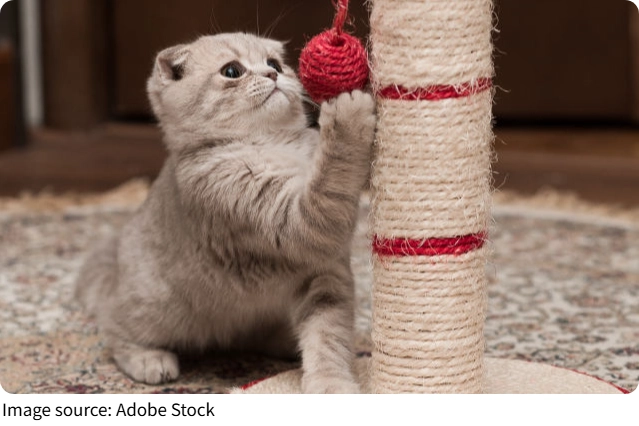
Emotional and Behavioral Benefits of Interactive Play
Environmental enrichment plays an important role in supporting feline emotional health. Changes in routine, prolonged periods of isolation, unfamiliar environments, or insufficient stimulation may contribute to stress-related behaviors in some cats. Interactive play provides positive experiences that encourage relaxation and emotional stability. According to the American Association of Feline Practitioners and the International Society of Feline Medicine, "A cat's level of comfort with its environment is intrinsically linked to its physical health, emotional wellbeing and behavior." This principle highlights the importance of providing an enriched environment that supports both physical and psychological health.
Activities requiring problem-solving and reward-based interaction promote confidence while supporting normal cognitive function. Puzzle feeders and treat-dispensing toys reinforce exploratory behavior through positive reinforcement, encouraging sustained engagement with the environment.
Interactive play involving caregivers also strengthens the human-animal bond by promoting trust and positive social interaction. Regular play sessions provide structured opportunities for energy expenditure and contribute to calm, balanced behavior.
Supporting Natural Hunting Behaviors
Domestic cats retain the behavioral characteristics of obligate predators despite living in controlled indoor environments. Their instinctive behavioral repertoire includes stalking, chasing, capturing, and investigating moving objects. Providing opportunities to express these behaviors supports normal psychological function and behavioral health.
Interactive toys that mimic prey movement effectively stimulate natural hunting sequences. Irregular movement patterns, rapid directional changes, and concealed motion maintain attention while encouraging sustained engagement. Simulating these behaviors contributes to behavioral enrichment and psychological satisfaction.
Climbing structures, elevated platforms, and interactive tunnels further enhance environmental complexity by encouraging exploration, observation, and species-appropriate behaviors. These features help reduce boredom while promoting confidence, activity, and environmental engagement.
Preventing Boredom-Related Behaviors
Insufficient environmental enrichment may contribute to undesirable behaviors, including excessive grooming, destructive scratching, nighttime restlessness, and inappropriate play behavior. Interactive toys provide appropriate outlets for physical activity and mental engagement, helping redirect energy toward healthy, species-appropriate behaviors.
Rotating toys regularly helps maintain novelty and encourages continued interest in play. Cats often respond positively to variation in texture, movement, and sensory stimulation.
Establishing consistent daily play sessions supports predictable routines that contribute to behavioral stability. Reward-based enrichment activities further promote learning, concentration, cognitive development, and positive interactions between cats and their caregivers.
Selecting Appropriate Interactive Toys
The selection of interactive toys should be based on the individual cat's age, activity level, physical condition, and behavioral characteristics. Highly active cats may benefit from fast-moving toys that encourage vigorous exercise, whereas more cautious individuals often respond better to slower, quieter forms of enrichment.
Safety remains an essential consideration. Toys should be manufactured from durable, non-toxic materials and inspected regularly for signs of wear or damage. Toys containing detachable components should be replaced if damaged to reduce the risk of injury or accidental ingestion. String-based toys should be used under supervision to promote safe play.
Regularly rotating different types of interactive toys helps maintain interest and provides varied forms of cognitive and physical stimulation, supporting long-term environmental enrichment.
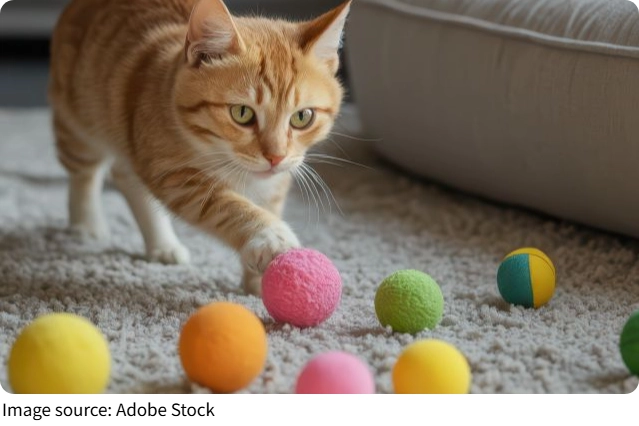
Interactive toys are an important component of environmental enrichment that supports the physical, cognitive, and emotional health of indoor cats. By encouraging natural behaviors, regular exercise, and mental stimulation, they help promote behavioral balance and overall wellbeing. Incorporating a variety of safe, appropriately selected interactive toys into a cat's daily routine contributes to healthier behavior, improved quality of life, enhanced long-term welfare, and optimal physical and psychological health.