Rub Tree

Finnegan Flynn
| 15-07-2026
 · Nature Team
Have you ever noticed a plant that naturally grabs attention in any space it’s in? The rubber tree, a tropical green gem, has become a favorite in living rooms worldwide.
Its glossy, thick leaves and striking presence make it a “C-position” plant in interior décor, meaning it often takes center stage.
Beyond its beauty, the rubber tree is also appreciated for its air-purifying ability, which is why it’s often planted outside public areas. Let’s explore the fascinating world of rubber trees and learn how to care for one successfully.
Rubber Tree Basics
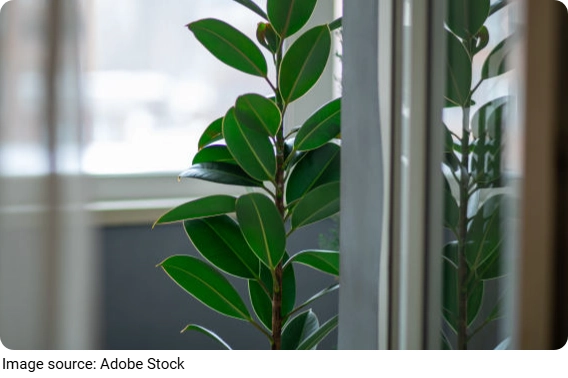
The rubber tree (Ficus elastica Roxb. ex Hornem.), also known as the Brazilian rubber plant, belongs to the fig family. It’s a tall tree with a noticeable trunk, few branches, and sometimes aerial roots. Its leaves are arranged alternately, elliptical, thick, and shiny green. Young leaves often show a red hue, and the petioles are sturdy.
Small to medium plants are perfect for sprucing up living rooms or studies, while larger specimens can be placed in lobbies or entryways to create a tropical, grand impression.
Rubber trees thrive in warm, humid, and sunny environments. The ideal temperature range is 20–25°C, although it can tolerate temperatures above 30°C. Cold is not its friend: the safe winter temperature is around 5°C, and variegated varieties need slightly warmer conditions, ideally above 8°C.
These plants prefer loose, fertile, and well-draining slightly acidic soil. Though tolerant of dry air, they don’t do well in sticky, poor, or drought-prone soil.
An amazing fact about rubber trees is their air-cleaning ability. They absorb carbon monoxide, carbon dioxide, hydrogen fluoride, and volatile organic compounds like formaldehyde. This is why they’re frequently planted outside public areas—it’s a natural way to improve air quality and create a fresher environment.
Choosing the Right Container and Soil
When picking a container, options like clay, plastic, or ceramic work well, as long as the diameter is between 20–30 cm to support healthy growth.
For soil, a mix of equal parts leaf mold, garden soil, and river sand works perfectly, with a small amount of organic fertilizer as a base. This combination ensures the soil is rich, loose, and breathable, encouraging strong root development.
Watering and Humidity
Rubber trees like moisture but dislike waterlogging or extreme dryness. During spring and autumn, keep the soil slightly moist and occasionally mist the leaves and surrounding air to maintain humidity.
In hot summers, water daily and increase misting frequency, as evaporation rises. In winter, water less, keeping the soil just a little moist. If temperatures hover around 10°C, slightly more water is needed to prevent leaf drop.
The rule to follow is “water deeply when dry.” Check the soil surface—if it looks pale, it’s time to water thoroughly. Misting is helpful during hot, dry days, but remember it doesn’t replace proper watering. The roots still need a good soak.
Fertilizing and Pruning
Rubber trees benefit from fertilizer, but avoid too much nitrogen—it can make stems grow too long and leaves too spaced out, reducing aesthetic appeal.
Young plants can receive a balanced fertilizer every 20 days with a little phosphoric acid potassium solution. Mature plants need less—once every two months is sufficient. Stop fertilizing during winter dormancy.
Pruning shapes the plant and encourages healthy growth. Common methods include pinching, shortening, and scoring buds. Pinching controls height and promotes bushier growth. When the plant is 30–50 cm tall, trim the top leaves and buds—2–3 lateral buds near the top will usually sprout, forming a cup or Y-shape.
Shortening the top third or half of a branch encourages side shoots, while scoring stimulates new growth below cut points. Keep pruning wounds dry to prevent infection.
Light and Temperature
Rubber trees love sunlight but tolerate shade. Place them on south- or east-facing windows or balconies with good ventilation.
During scorching summers, use shade cloth or move them slightly away from direct sunlight to avoid leaf burns. Ideal growth temperatures are 20–30°C.
In winter, move plants indoors if temperatures drop below 5°C; keep the indoor temperature above 10°C. When summer exceeds 35°C, move them to a cooler, shaded area and mist occasionally to lower stress.
Pest and Disease Management
Common diseases include anthracnose and leaf spot, which cause yellowing or damaged leaves. Remove affected leaves and treat with fungicide promptly.
Insect pests like aphids and red spider mites feed on leaf sap, leading to leaf drop. Treat infestations with appropriate insecticides and maintain good air circulation to prevent outbreaks.
Outdoor Applications and Benefits
Rubber trees are often planted outside public areas, not only because they adapt easily but also for their air-cleaning ability.
Public spaces often face air quality challenges, and rubber trees help absorb harmful substances, creating a fresher and more comfortable environment.
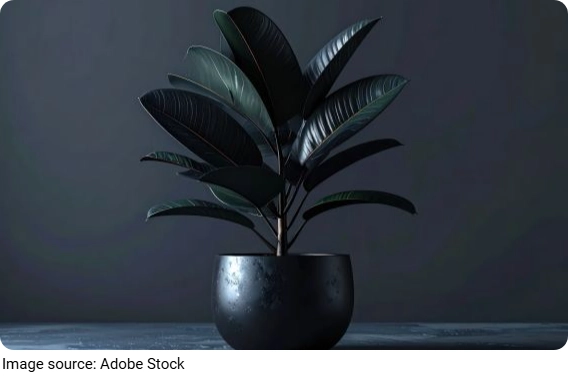
They also add aesthetic value. The thick, glossy leaves with red tips make a dramatic visual statement, while the split stipules resemble hanging tassels, adding elegance to outdoor spaces. Rubber trees outside public areas not only clean the air but also beautify the environment.
Care Tips at a Glance
- Avoid harsh sun: Provide shade during intense summer sunlight.
- Water wisely: Keep soil moist but not waterlogged; reduce watering in winter.
- Fertilize smartly: Avoid excess nitrogen to prevent unnatural growth.
- Prune regularly: Maintain shape and overall beauty.
- Control pests: Act quickly to prevent disease or insect damage.
Bring Green Home
Rubber trees are more than just beautiful indoor plants—they refresh the air, uplift any space, and naturally draw attention as the centerpiece of our living areas.
With consistent care—watering, fertilizing, pruning, and pest control—we can grow a rubber tree that is both a striking decoration and a natural air purifier. Whether placed indoors or outside public areas, this tropical gem adds freshness, greenery, and a sense of calm to our surroundings.
Let’s embrace the greenery together and create spaces that feel alive, vibrant, and welcoming, Lykkers!
How to Care for the Rubber Tree
Video by Léon & George