ADV Bike or Street?

Ravish Kumar
| 29-05-2026
 · Vehicle Team
Hey, Friends! imagine taking a wrong turn during a weekend ride and spotting a gravel path stretching into the hills. On a standard street motorcycle, hesitation often arrives first.
Loose rocks, uneven ground, and shallow ruts can quickly become frustrating or risky. On an adventure motorcycle, however, that same road feels more like an invitation.
It comes down to engineering choices built for versatility, endurance, and terrain that refuses to stay predictable.
Built for More Than Smooth Asphalt
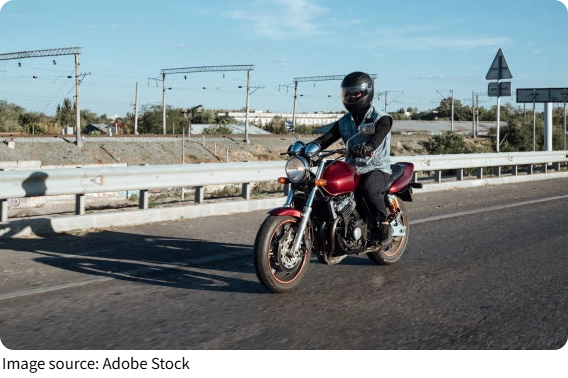
Adventure motorcycles are designed with one goal in mind: adaptability. While regular motorcycles are usually optimized for one environment—urban commuting, sport performance, or relaxed highway cruising—adventure models are engineered to transition between paved roads and rough surfaces without losing stability or rider confidence.
One of the most noticeable differences is ground clearance. Adventure bikes typically sit considerably higher than street motorcycles, allowing them to pass over stones, uneven tracks, potholes, and shallow obstacles without scraping vital components underneath. This extra height protects the engine and exhaust while making rough terrain less intimidating.
The frame and protective components also reveal their purpose. Many adventure motorcycles include reinforced structures, hand guards, skid plates, and mounting points for luggage systems. These features are not decorative. They exist because long-distance riders often carry camping gear, tools, or extra supplies across unpredictable routes where reliability matters more than aggressive acceleration.
Suspension That Handles Distance and Damage
Suspension is where adventure motorcycles separate themselves most clearly from ordinary bikes. Street motorcycles usually prioritize responsive cornering on clean pavement, using shorter suspension travel for sharper handling. Adventure motorcycles go in the opposite direction, favoring longer travel to absorb impacts from broken roads, gravel, and dirt.
A typical adventure machine often provides more than 200mm of suspension movement, allowing the wheels to react independently to harsh terrain while keeping the chassis stable. Instead of transferring every bump directly into the rider’s spine, the suspension softens repeated impacts over long hours.
This matters even for riders who rarely leave asphalt. Expansion joints, cracked pavement, uneven city streets, and patched highways feel noticeably smoother. Over several hours, this reduction in vibration and harshness lowers physical fatigue, making long-distance travel far less draining.
Another important distinction is adjustability. Many adventure motorcycles allow riders to tune preload and damping according to luggage weight, passenger loads, or riding conditions. A rider carrying heavy panniers across mountain roads will need a completely different setup than someone riding solo on city streets.
Riding Position Designed for Endurance
The ergonomics of an adventure motorcycle are intentionally practical rather than dramatic. Unlike sport motorcycles that tilt the rider forward or cruisers that encourage a reclined posture, adventure bikes place the rider in an upright stance.
This seating position reduces pressure on wrists, shoulders, and lower back during extended rides. Wide handlebars improve leverage, especially when maneuvering at slower speeds or crossing unstable surfaces such as loose gravel.
Seat height often surprises first-time riders. Adventure motorcycles tend to sit much taller than standard commuter bikes. Although this can initially feel intimidating at stoplights, the extra elevation serves practical purposes. Riders gain improved visibility over traffic while maintaining the clearance needed for rough roads.
Perhaps the biggest overlooked feature is the ability to stand on the foot pegs. Off-road riders frequently stand to let their legs absorb impacts and redistribute body weight for better balance. Even during highway touring, briefly standing can reduce stiffness and improve circulation after long periods in the saddle.
Wheels and Tires Made for Mixed Terrain
Wheel size changes how a motorcycle behaves more than many people realize. Adventure motorcycles commonly use larger front wheels, often between 19 and 21 inches, compared with the smaller setups found on most street bikes. A larger front wheel rolls across obstacles more smoothly because it strikes rocks or ruts at a gentler angle. Instead of abruptly bouncing or deflecting, it climbs over imperfections with greater stability.
This is especially useful on gravel roads, forest tracks, or neglected pavement. Tires follow the same philosophy. Rather than using soft, pavement-focused rubber designed only for grip in corners, adventure tires balance road manners with traction on dirt and loose terrain.
Some lean heavily toward touring performance, while others feature aggressive tread patterns suited for muddy or rocky surfaces. Interestingly, many adventure bikes also use narrower front tires than sport motorcycles. Narrow profiles cut through sand or loose gravel more predictably, helping maintain steering control where wider tires may feel vague or unstable.
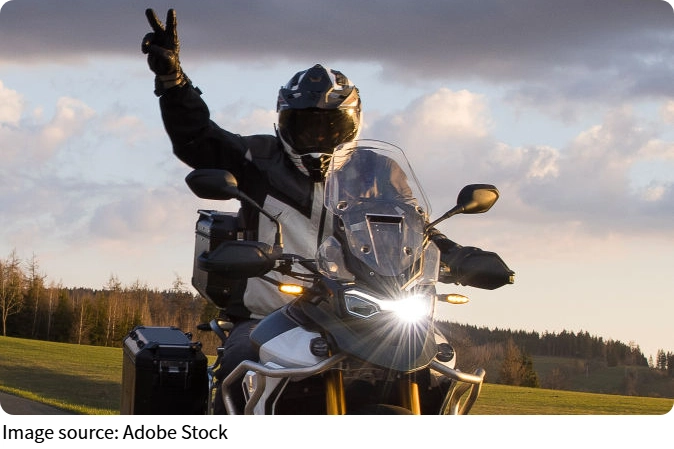
Adventure motorcycles are not only for globe-trotting explorers crossing deserts. Many owners rarely touch technical off-road routes. Instead, they value versatility. One motorcycle can handle weekday commuting, multi-day road trips, unexpected weather, uneven roads, and spontaneous detours without complaint.