Lake Brienz Swiss Guide

Ethan Sullivan
| 16-04-2026
 · Travel Team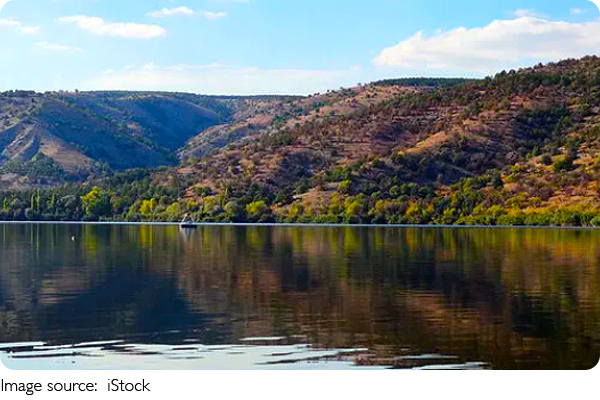
There are places that stop you mid-scroll because they look too vivid to be real.
Lake Brienz in the Bernese Oberland region of Switzerland is one of them.
The water is an almost unnatural shade of turquoise — the result of glacial meltwater carrying fine rock particles that scatter light in a way no photograph fully captures. A cliffside road curves along one shore, a steamboat leaves a white wake across the surface, and misty mountains dissolve into the horizon. This is not a hidden gem — it is simply a place that rewards those who plan it properly.
Lake Brienz
Getting There
Lake Brienz sits approximately 20 kilometres east of Interlaken, which serves as the main transport hub for the entire Bernese Oberland region.
1. From Zurich: Take a direct train to Interlaken Ost (approximately 2 hours, from $35–$55 depending on booking class). From Interlaken Ost, regional trains run along the northern shore of Lake Brienz to Brienz village in approximately 20 minutes, costing $8–$12 each way.
2. From Bern: Direct trains reach Interlaken in approximately 55 minutes from $22–$35. Connect to the Brienz line from Interlaken Ost as above.
3. By car: Driving from Interlaken to Brienz along the lakeside road — Route 11 — takes approximately 25 minutes and is one of the most scenic drives in Switzerland. The cliffside section carved directly into the rock face above the lake is the highlight of the route.
The Swiss Travel Pass covers all train and boat travel across the country and is the most economical option for visitors planning multiple journeys. A 3-day pass costs approximately $232 per person and includes the lake steamboat service.
The Lake Brienz Steamboat
The paddle steamers and motor vessels operated by BLS AG have been crossing Lake Brienz since the late 19th century and remain one of the most enjoyable ways to experience the lake. The full crossing from Brienz to Interlaken Ost takes approximately 2 hours and 15 minutes, stopping at several small villages along the southern shore.
1. Standard one-way crossing: approximately $18–$26 per person depending on season.
2. Return crossing: approximately $32–$46 per person.
3. Covered by the Swiss Travel Pass at no additional cost.
Boats operate from spring through autumn, with reduced frequency in shoulder seasons. The upper open deck offers the best views and the clearest photography conditions — arrive early to secure a position on the bow as the vessel approaches the dramatic cliffside section of the northern shore.
Key Attractions Around the Lake
1. Giessbach Falls: One of the most dramatic waterfalls in Switzerland, cascading down 14 separate stages directly into the lake on the southern shore. Accessible by boat — most lake crossings stop at the Giessbach pier — or by a short trail from the upper car park. Entry to the falls area is free. The historic Grand Hotel Giessbach sits directly above the falls and is accessible by a restored funicular railway operating from the pier, costing approximately $5 return.
2. Brienz Rothorn Railway: A historic steam-powered narrow-gauge railway climbing from Brienz village to the Rothorn summit at 2,350 metres. Operating from late spring to early autumn, a return ticket costs approximately $75–$85 per person. The summit offers panoramic views across the entire lake and surrounding Alps.
3. Ballenberg Open Air Museum: Located just above Brienz village, this open-air museum preserves over 100 historic Swiss rural buildings relocated from across the country. Entry costs approximately $32 per person and the site takes a full day to explore properly. Open from mid-spring to late autumn.
Where to Stay
Staying in Brienz village or along the lake shore rather than in busier Interlaken places you inside the landscape from the moment you wake up.
1. Budget: Camping Aaregg on the eastern shore of the lake offers pitches and basic cabins from approximately $35–$55 per night, with direct lake access and mountain views.
2. Mid-range: Hotel Lindenhof in Brienz village offers double rooms from approximately $140–$200 per night, with lake-facing balconies and breakfast included. Several smaller guesthouses in the village offer comparable rates.
3. Luxury: Grand Hotel Giessbach, perched above the falls on the southern shore and accessible only by boat or funicular, offers rooms from approximately $320–$550 per night. The setting — waterfall audible from the terrace, lake visible from every room — is genuinely unlike anywhere else in Switzerland.
Switzerland is a country that sets a high bar for natural scenery, and Lake Brienz somehow still manages to exceed it. The travellers who leave most satisfied are those who slow down enough to let the place work on them — a boat crossing in the morning mist, a walk along the shore as the light shifts in the afternoon, a view from the Rothorn at sunset. Speed through it and you will see a beautiful lake.
Stay long enough and you will understand why people keep coming back. Which kind of traveller will you be?