Your SUV Might Soon Cost You

Arvind Singh
| 03-12-2025
 · Vehicle Team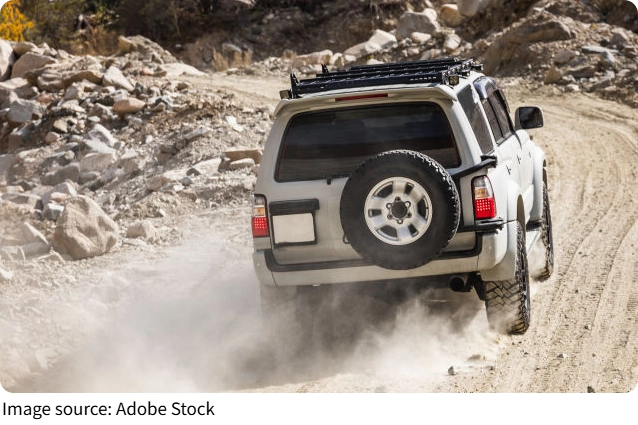
You finally paid off that powerful SUV. It's in perfect condition, barely five years old, and you love how it handles on the open road. But when you try to sell it next year, you're shocked to find no takers, except at a steep discount.
What changed? Your vehicle didn't break down. The rules did.
Across parts of Europe and North America, a quiet but expressive shift is underway: high-emission cars are being penalized—hard. The kind of SUV that once turned heads might now carry an annual tax bill, lower resale value, and in some cities, even restricted driving zones.
The rise of "carbon penalties" for private cars
Governments aren't just encouraging cleaner vehicles anymore—they're financially punishing dirty ones.
Germany now levies a CO₂-linked vehicle tax, where each gram of carbon over the 95g/km threshold adds to the yearly cost of ownership. In practice, that means larger combustion-engine cars can cost drivers hundreds of euros more every year, simply to register.
In Canada, certain provinces have added luxury SUV and truck levies based on fuel consumption. For example, buyers of heavy, low-efficiency vehicles like the Dodge Durango SRT or Toyota Sequoia can now face thousands in extra upfront taxes.
Norway takes it further. While EVs enjoy generous incentives and toll exemptions, high-emission vehicles are being priced out of the market through weight-based and emissions-based taxes, effectively doubling the cost of some performance cars.
Not just a tax—an asset depreciation problem
This isn't just about paying more today. It's about what your car is worth tomorrow.
Car valuation platforms across Europe are already showing steep drops in the resale value of traditional combustion SUVs and sports cars. For example:
• Diesel vehicles in urban Germany saw resale values fall by up to 26% after CO₂ tax updates
• In Quebec, buyers are asking for up to 20% discounts on large gas vehicles, citing "green risk."
• Norwegian trade-in values for non-EV vehicles are collapsing fast—even before full bans take effect
That "dream car" in your garage? It could quietly become a financial liability, not a prized asset.
How this affects your next car decision
This trend isn't going away. In fact, more countries are watching closely and preparing their own versions. If you're thinking about your next car—or whether to hold onto your current one—consider these factors:
• Look beyond fuel cost. High consumption could mean higher annual taxes, even if gas prices stay stable.
• Check resale risk. Will your vehicle still be legal—or affordable to own—in 5 years where you live?
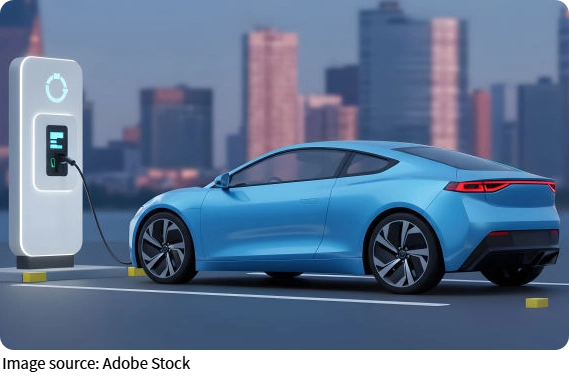
• Consider tax policy, not just tech. It's not just about switching to electric. Plug-in hybrids, smaller-displacement engines, and even efficient diesels may avoid penalties in the short term.
And if you lease? Make sure your lease term ends before any scheduled tax hikes. Residual value hits can cost you indirectly through higher monthly payments.
This isn't just about "going green"
Some drivers still dismiss this as climate policy overreach. But from a personal finance perspective, this is simply asset management.
Buying a car is one of the biggest purchases many people make. What used to be a stable investment—keep it five years, sell it for a decent chunk—now carries policy risk.
Today it's a CO₂ tax. Tomorrow it might be:
• Tolls based on engine type
• Restricted entry zones in downtown areas
• Zero resale market for combustion cars in certain regions
The vehicle you love today could be uninsurable, untaxable, or unsellable in the not-so-distant future.
What smart drivers are doing now
There's no need to panic—but it is time to be strategic. Here's what many are already doing:
• Switching to low-emission models, even if not fully electric
• Choosing lighter, cleaner engines that fall under regulatory thresholds
• Leasing instead of owning, to avoid long-term value loss
• Tracking local legislation, especially in cities or regions with climate pledges
A 10% savings on fuel won't matter if the vehicle loses 40% of its value due to regulation.
Still driving your dream car? That's fine—for now
If your high-performance car still brings you joy, that's valid. No one's saying you have to give it up tomorrow. But it's worth asking: Is this a machine you'll enjoy driving in five years—or one you'll be paying extra just to keep on the road?
Governments are no longer just nudging buyers toward green choices—they're beginning to price out the old ones. And like it or not, the car market is shifting from horsepower to carbon scores.
Might be time to check your emissions—and your resale value.