Your Car Knows Your Heart

Amit Sharma
| 03-12-2025
 · Vehicle Team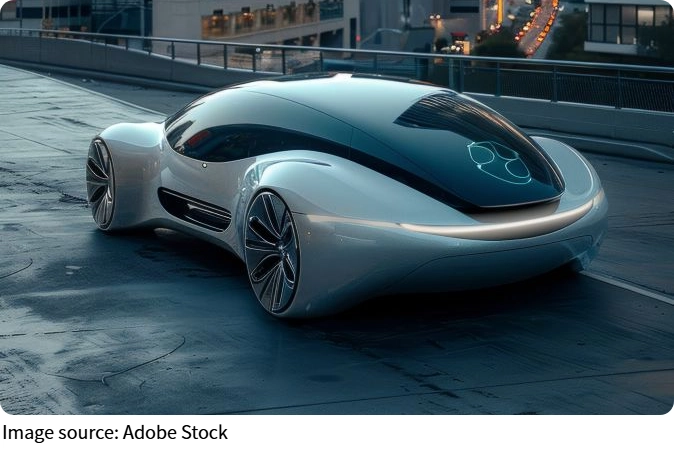
Imagine this: you're cruising down the highway on a long road trip. Your eyes feel heavy, but you brush it off. Seconds later, your car seat gently vibrates, a voice speaks calmly from the dash—"Please take a break. Fatigue detected."
No, it's not sci-fi. It's a real system now being rolled out by automakers in South Korea. And it might just save your life.
Cars that monitor your health? It's already happening
Hyundai and Kia are leading a quiet but powerful shift in vehicle technology. Beyond self-driving features or electric drivetrains, they've been working on something far more personal: in-car health monitoring.
Here's what that means in practice. Their latest experimental systems can:
• Detect the driver's heart rate via sensors in the seat and steering wheel
• Monitor blood pressure and oxygen levels through skin contact
• Track eye movement and posture using cabin-facing cameras
• Send alerts—or even trigger emergency braking—if a health event is detected
The goal? Prevent fatal accidents caused by sudden medical events like heart attacks, strokes, or microsleep.
The silent risk we don't talk about enough
It's easy to assume car crashes come from bad driving or poor weather. But one of the most overlooked risks is internal: your own body giving out while you're behind the wheel.
Studies from European road safety agencies suggest that up to 8% of fatal crashes involve some kind of medical factor—from undiagnosed heart conditions to sheer exhaustion.
For older drivers and long-haul truckers, the risk is even higher. And in many cases, there's no warning sign—until it's too late. That's why Korean engineers are pushing to put the warning sign inside the car itself.
How it works: more than just sensors
We're not just talking about wearables synced to your phone. These systems are fully embedded in the vehicle.
• Smart seats read pulse and body temperature through contact with your back and thighs.
• Steering wheel sensors detect grip pressure and electrical skin response.
• AI-powered cameras monitor blinking rate, head tilt, and even skin tone changes.
• Onboard software compares these in real time against personal baselines or global health models.
If anything looks off—like a dangerously high heart rate or a prolonged loss of focus—the car reacts. It may dim the dash lights, vibrate the wheel, or sound an alert. In advanced cases, it can pull the car over automatically.
Why this matters more than ever
As populations age, especially in countries like South Korea, Germany, and Japan, more drivers over 60 are staying on the road longer. That's not a problem—unless their health puts them or others at risk.
At the same time, long-distance gig work (like delivery driving) is rising fast. Fatigue-related crashes are no longer rare—they're a daily reality.
Car companies are starting to see vehicles not just as transport tools, but as extensions of healthcare infrastructure. Your car might know you're about to faint before you do.
Can this become the new normal?
Not yet. Most of these systems are still in advanced testing or premium concept vehicles. But the path is clear.
Hyundai has already showcased its "Smart Cabin" concept car—a moving health pod with climate controls that adjust based on stress levels, and a dashboard that reads out heart data in real time.
Kia is also experimenting with real-time biofeedback features for professional drivers, such as those in public transit or logistics.
Even German and U.S. manufacturers are exploring integrations—though none are quite as far along as their Korean counterparts.
What drivers should know (and ask for)
If you're shopping for a car in the next few years, here are features worth watching:
• Driver attention monitoring — already available in many new vehicles
• Fatigue detection systems — look for steering and eye-tracking tech
• Emergency health alerts — some brands offer auto-call features for help
• Integration with wearables — linking your smartwatch to your car is getting easier
If you're a fleet manager, long-distance driver, or simply concerned about health while driving, it may be worth asking:
“Does this car help protect me, not just move me?”

Not just safer cars—healthier drivers
We've long accepted that cars should protect us after a crash. Airbags, seatbelts, crumple zones—they've saved countless lives. But what if your car could stop the crash from happening in the first place—by catching a health emergency before your hands ever leave the wheel?
That's where we're headed. Not someday. Not "in the future." But now.
Because driving should never be a risk to your health. And thanks to a quiet tech revolution out of Korea, it doesn't have to be.