Road Trip Safety Checklist

Declan Kennedy
| 03-12-2025
 · Vehicle Team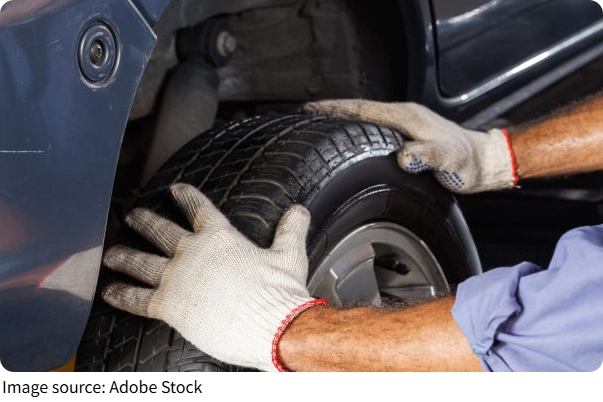
We've all been there: the excitement of a road trip—music playing, snacks ready, and the open road ahead. But before you start that engine and hit the highway, there's one crucial thing that can't be overlooked: safety.
After all, a smooth journey starts with the right preparation. So, what exactly should you check before leaving?
Tires: The Unsung Heroes
Your car's tires are your connection to the road, making them one of the most critical components to inspect. Low tire pressure or worn-out tires can lead to poor handling, increased fuel consumption, or worse—blowouts.
• Check tire pressure: Use a tire gauge to ensure each tire is properly inflated, and don't forget the spare.
• Inspect for damage: Look for cracks, bulges, or embedded objects.
• Tread depth: If the tread looks too worn down, it might be time for a replacement.
Oil and Fluids: Keep Your Engine Running Smoothly
Your engine needs oil to run smoothly, and other fluids—coolant, brake fluid, and power steering fluid—are just as essential. Lack of proper fluid levels can lead to engine failure or decreased performance.
• Check engine oil: Make sure the oil is at the right level and clean. If it looks dark or gritty, a change is in order.
• Inspect other fluids: Top off coolant, brake fluid, and windshield washer fluid. Check for leaks while you're at it.
Lights and Signals: Be Seen, Be Safe
The road is full of other drivers who need to know what you're doing. Check your car's lights before setting off—your headlights, brake lights, turn signals, and hazard lights all need to be in top condition.
• Turn on the headlights: Test high and low beams, as well as your fog lights if you have them.
• Check brake lights: Have a friend step on the brake pedal while you inspect the rear of the vehicle.
Brakes: Don't Skip This One
Brakes are arguably the most important safety feature on your vehicle, and they can take a lot of wear during long drives. Before you embark on your trip, ensure they're in working order.
• Check for noise: If you hear squeaking or grinding, it's time to have them inspected.
• Feel for responsiveness: If the brake pedal feels soft or unresponsive, this could indicate a problem.
Windshield Wipers and Visibility: Clear the Road Ahead
A good set of wipers and a clean windshield are essential for clear visibility, especially when weather conditions change suddenly.
• Test wipers: Ensure they wipe smoothly and evenly.
• Replace worn-out wiper blades: If they leave streaks or don't wipe fully, it's time for new blades.
• Check windshield: Look for cracks or chips that might obstruct your view.
Emergency Kit: Be Prepared for the Unexpected
Even the most well-planned trips can have unexpected bumps in the road. An emergency kit can be a lifesaver in these moments. Here's what you should have:
• First-aid kit: Stocked with essentials like band-aids, antiseptic wipes, and pain relief.
• Road flares: For emergencies when you need to signal other drivers.
• Jumper cables: In case your battery dies, you'll be ready.
• Flashlight: A must-have in case you end up in the dark.
Navigation and Charging: Stay On Course
Staying connected is key when you're on the road. A reliable GNSS and phone charger are essential for smooth navigation.
• Update your GNSS or maps: Make sure your navigation system is up to date with the latest routes.
• Phone charger: Keep your phone fully charged and have a car charger handy in case you need it.
Insurance and Documentation: Paperwork in Order
Before you hit the road, double-check that you have all the necessary documentation.
• Driver's license: Make sure it's valid and on hand.
• Car insurance: Ensure your insurance is up-to-date and know the policy number.
• Registration and inspection: Verify your car is properly registered and has passed any required inspections.
Ending: Ready to Hit the Road
With all these safety checks in place, you're ready for the open road. A little preparation can go a long way in ensuring you and your loved ones have a safe and enjoyable journey. So pack your bags, plan your route, and start your engine with confidence. Safe travels!