Budget Travel vs. RV Life

Owen Murphy
| 03-12-2025
 · Vehicle Team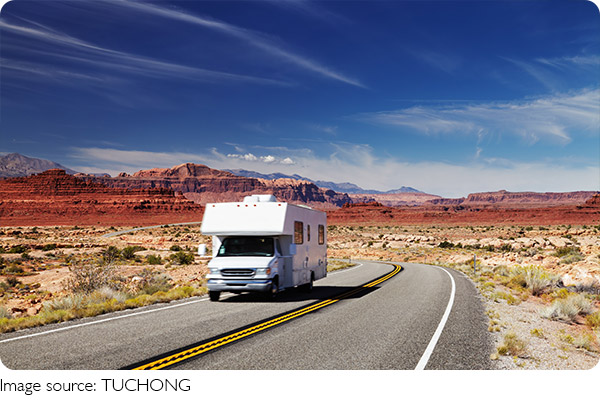
You've probably dreamed about hitting the open road, no plans, no deadlines, just endless possibilities.
Whether it's a weekend getaway or a cross-country adventure, the idea of living on the road can be alluring. But here's the question: should you go for the classic budget car travel or invest in an RV for the long haul?
Both options have their perks, but which one offers better value for money? Let's explore the details.
Cost Breakdown: What's Cheaper?
Let's be honest—traveling can be expensive, but it doesn't have to break the bank. When comparing a budget car trip to RV living, the cost of each comes down to several factors: the upfront investment, maintenance, fuel, and accommodation.
Budget Car Travel
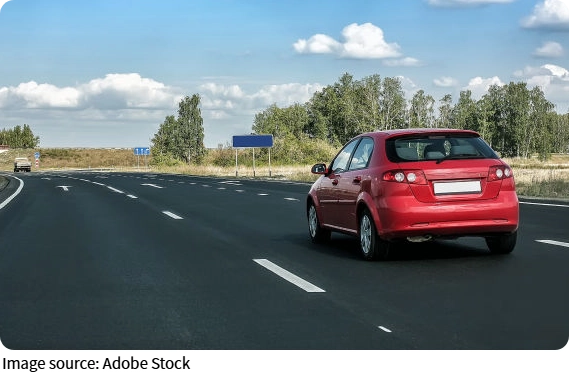
• Upfront cost: If you already own a reliable car, the initial cost is minimal. You may only need to make sure it's in good shape for the journey.
• Fuel efficiency: Cars generally have much better fuel economy than RVs, which means less money spent at the pump.
• Accommodation: You'll need to budget for hotels or campsites unless you opt for tent camping.
RV Living
• Upfront cost: RVs are expensive, ranging anywhere from $10,000 to $100,000 depending on the model and condition. If you plan on renting, it's still a high cost.
• Fuel efficiency: RVs are notorious gas guzzlers. Expect to spend a lot more on fuel, especially if you're traveling long distances.
• Accommodation: One of the major advantages of an RV is that it doubles as a home. You can sleep, cook, and store your belongings inside, which eliminates the need for expensive lodging.
Comfort and Convenience: What's the Trade-off?
Living on the road sounds fun, but comfort is a big factor to consider. Let's break down how a budget car trip and RV life stack up in terms of convenience and comfort.
Budget Car Travel
• Sleeping arrangements: In a budget car, sleeping can be a challenge. You might have to rely on rest stops, campgrounds, or motels for a good night's rest.
• Living space: Space is minimal. Unless you have a hatchback or larger vehicle, you'll be packing light and likely dealing with cramped conditions.
• Cooking: Eating out can add up quickly, but if you're into camping, you could bring a small camp stove or grill for some meals.
RV Living
• Sleeping arrangements: An RV gives you a full-sized bed, bathroom, and even a kitchen. You'll have all the comforts of home on the road.
• Living space: RVs offer a lot more space, especially if you have a family. You can stretch out, cook meals, and store your gear easily.
• Cooking: RVs come with fully equipped kitchens, so you can cook your meals and avoid costly restaurant bills.
Flexibility: How Free Are You?
When it comes to flexibility, there's no one-size-fits-all answer. The level of freedom you get depends on the vehicle you choose and how you like to travel.
Budget Car Travel
• Ease of movement: A car is compact and nimble, so you can easily navigate through cities, narrow roads, and off-the-beaten-path locations. You're not limited to RV parks, and you can camp virtually anywhere.
• Limited amenities: You'll have to rely on external facilities for showers, bathrooms, and cooking. This means you may have to plan your stops more carefully.
RV Living
• Mobility: While RVs offer more space and amenities, they're also much larger and less maneuverable. Navigating narrow streets or city traffic can be a challenge.
• Self-sufficiency: With an RV, you can go off-grid for days, having all the amenities you need on board. But finding a place to park for the night can be tricky unless you're at an RV park or campground.
Maintenance and Longevity: The Hidden Costs
Even though an RV promises luxury on the road, it comes with its own set of maintenance challenges.
Budget Car Travel
• Maintenance: If you've got a dependable car, maintenance costs will likely be low. However, if you're using an older vehicle, you might need to spend a bit more to ensure it's road-trip ready.
• Durability: A car can last for many years if properly maintained, making it a solid investment for future trips.
RV Living
• Maintenance: RVs are much more complex, with plumbing, electrical systems, and the engine all requiring regular maintenance. Unexpected repairs can quickly eat into your budget.
• Longevity: RVs can last for years, but they do require regular upkeep. The lifespan of your RV will depend on how well you maintain it.
Environmental Impact: Which Is Greener?
With sustainability being a growing concern, let's consider the environmental impact of both options.
Budget Car Travel
• Fuel economy: Cars are more fuel-efficient, meaning they burn less fuel and produce fewer emissions compared to an RV.
• Carbon footprint: If you're driving long distances, the carbon footprint can add up, but overall, a small car is less harmful to the environment than an RV.
RV Living
• Fuel consumption: RVs consume a lot more fuel, contributing to a higher carbon footprint. If you're planning on using an RV for a long period, this can be a significant concern.
• Waste management: RVs have waste disposal systems, but the water used for showers, sinks, and toilets can have an environmental impact if not disposed of properly.
Ending: Which One Fits Your Journey?
Ultimately, the decision between budget car travel and RV living comes down to what you're looking for in your adventure. If you want flexibility, low upfront costs, and simplicity, a budget car trip may be the way to go. However, if you're looking for comfort, convenience, and the ability to camp in style, an RV could be your perfect home on wheels.
Both have their unique advantages, but whichever option you choose, the most important thing is that you're hitting the road—ready for new experiences and unforgettable memories.