Hybrid vs Plug-in Hybrid

Caleb Ryan
| 02-12-2025
 · Vehicle Team
If you're thinking about making the switch to a more fuel-efficient vehicle, you've likely come across the terms "hybrid" and "plug-in hybrid."
These two options might seem similar at first, but they actually have key differences that can impact your driving experience, fuel costs, and environmental footprint.
Let's explore what sets them apart and help you decide which one fits your needs.
What is a Hybrid Car?
A traditional hybrid vehicle (HEV) combines a gasoline engine with an electric motor. This setup allows the car to use both electricity and gasoline, but it does so in a very specific way. The gasoline engine powers the car when needed, while the electric motor kicks in for lower speeds or when the car is idling.
Hybrid cars don't require an external power source for their electric motor. Instead, they charge the battery through regenerative braking and the engine itself. This means you never have to plug the car in to charge it, making it a hassle-free option for those who don't want to worry about charging stations.
What is a Plug-in Hybrid?
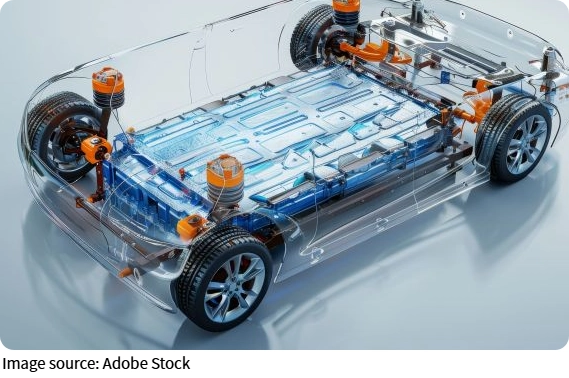
A plug-in hybrid (PHEV) is a step up from a traditional hybrid. While it still combines an electric motor and a gasoline engine, the key difference is that plug-in hybrids have a larger battery that can be charged by plugging it into an electrical outlet. This gives the car the ability to drive longer distances on electric power alone.
The hybrid part kicks in when the battery's electric range is depleted, and the gasoline engine takes over. Plug-in hybrids typically offer more electric-only driving range than a traditional hybrid, making them a great option for short commutes, where you can rely solely on electricity for your daily driving.
Key Differences Between Hybrid and Plug-in Hybrid
While both types of cars combine an electric motor with a gasoline engine, the differences lie in how they operate and their energy sources. Let's compare:
Battery Size and Range:
• Hybrid: Small battery, typically giving you only a limited electric range. The battery is charged by the engine and regenerative braking.
• Plug-in Hybrid: Larger battery, allowing for a longer all-electric range, typically between 20 to 50 miles. You can recharge the battery by plugging it into a standard electrical outlet.
Fuel Efficiency:
• Hybrid: Since the electric motor only supplements the gasoline engine, fuel efficiency improves slightly, but the car still primarily runs on gasoline.
• Plug-in Hybrid: You can run entirely on electric power for shorter trips, leading to less reliance on gasoline. When the battery runs out, it switches to gasoline, but the overall fuel efficiency can be much better than a regular hybrid if you use electric power often.
Charging:
• Hybrid: No need to plug in. The battery charges itself via regenerative braking and the engine.
• Plug-in Hybrid: Requires plugging in to charge the battery, either at home or at public charging stations. Charging time can vary depending on the charger and battery size, but it typically takes a few hours.
Driving Experience:
• Hybrid: The transition between the electric motor and the gasoline engine is relatively seamless, and most of the time, you'll drive like a traditional car with better fuel economy.
• Plug-in Hybrid: You have the option to drive on electric power alone for short trips. On longer journeys, the gasoline engine kicks in, but the electric-only mode is available when you need it.
Pros and Cons of Hybrid Cars
Hybrid vehicles are great for those who want to reduce their carbon footprint without worrying about plugging in their car. They're ideal for longer trips and can save you money on fuel while still offering the convenience of traditional refueling.
Pros:
• No need for external charging
• Better fuel economy than traditional cars
• Generally lower purchase price than plug-in hybrids
• No "range anxiety"—you don't have to worry about running out of electricity
Cons:
• Limited electric range
• Still reliant on gasoline for longer trips
• Battery replacement can be expensive after many years of use
Pros and Cons of Plug-in Hybrid Cars
Plug-in hybrids offer more electric-only driving, making them ideal for those who have short commutes and access to charging stations. They offer the potential for significant fuel savings and lower emissions, especially if you can charge regularly.
Pros:
• Longer electric-only range
• Potential to drive short distances without using any gasoline
• Can save money on fuel for daily short trips
• Lower emissions when running on electric power
Cons:
• Requires regular charging
• Higher purchase price than regular hybrids
• Charging infrastructure may not be available everywhere
• Can be complicated to maintain with both electric and gasoline systems
Which One is Right for You?
Choosing between a hybrid and a plug-in hybrid ultimately depends on your driving habits. If you drive mostly short distances, a plug-in hybrid might be a good choice, as you can rely on electric power for your daily commutes and switch to gasoline for longer trips. Plus, if you have access to charging stations at home or work, you'll get the most out of the electric-only range.
However, if you're looking for a more traditional hybrid experience without worrying about charging, a regular hybrid may be the way to go. It's perfect for those who want better fuel economy without the hassle of plugging in every night.
Final Thoughts
Both hybrid and plug-in hybrid cars offer substantial benefits in terms of fuel economy and environmental impact. The real question is how much you drive and how much convenience you're looking for. If you're ready to embrace electric driving, a plug-in hybrid gives you the best of both worlds.
If you want an easier option without worrying about charging, a hybrid is an excellent choice. Either way, you'll be making a step in the right direction toward a more sustainable driving future.