Boost Your Car's Efficiency

Mason O'Donnell
| 02-12-2025
 · Vehicle Team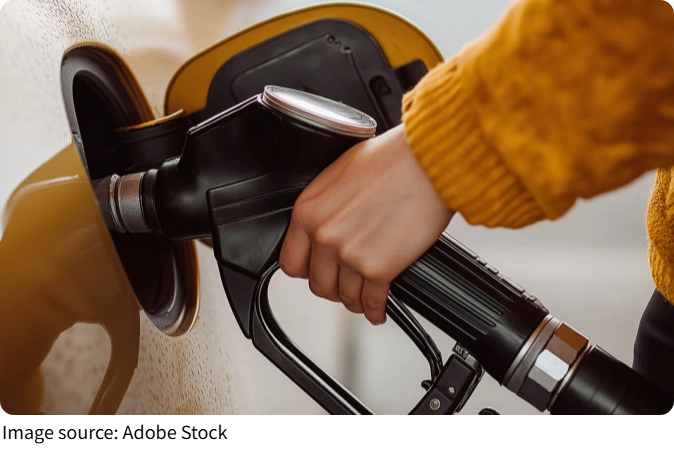
Running a car isn't cheap—especially when gas prices are on the rise. But there are small changes you can make that will go a long way in improving your fuel economy, saving you money, and making your car more efficient.
Here are 10 simple ways to improve your car's fuel economy.
Keep Your Tires Inflated
It's easy to forget about your tires, but they play a big role in fuel efficiency. Under-inflated tires cause more rolling resistance, which means your engine has to work harder and use more fuel. Check your tire pressure at least once a month and before long trips. It's a simple task that can improve your fuel economy by up to 3%.
Change Your Air Filter
A clogged or dirty air filter reduces the air flow to your engine, making it less efficient. Replacing your air filter regularly (every 12,000 to 15,000 miles) ensures your engine gets the air it needs for combustion, which improves fuel economy.
Use the Right Motor Oil
Using the right motor oil can increase your fuel economy. Look for oils that are labeled “energy-conserving,” as they are designed to reduce friction and improve engine performance. Stick to the oil grade recommended by your car manufacturer for the best results.
Drive Smoothly and Avoid Rapid Starts
How you drive plays a huge role in fuel efficiency. Avoid hard acceleration, heavy braking, and high speeds. Instead, drive smoothly and give yourself time to slow down gradually. Gentle driving can improve your fuel economy by as much as 33% on highways and 5% in the city.
Reduce Your Car's Weight
The heavier your car, the harder it has to work. If you're carrying around unnecessary weight, it's time to unload. Avoid keeping heavy items in your trunk, and if you have a roof rack, remove it when it's not in use. The lighter the load, the less fuel you'll burn.
Limit Air Conditioning Use
Using the air conditioner can significantly decrease your fuel efficiency. If you're driving at lower speeds, it's better to roll down your windows. On highways, however, keeping your windows up and using the A/C might be more efficient. But keep an eye on the weather and your comfort to strike the best balance.
Drive with Windows Up
Speaking of windows, driving with your windows down creates drag, which can reduce your fuel economy, especially at higher speeds. If you don't need the windows down for ventilation, it's better to keep them up and use the A/C if necessary.
Maintain a Steady Speed
Cruise control can be a great tool for improving fuel economy. Maintaining a steady speed on highways, especially over long distances, helps you avoid unnecessary acceleration and braking. This can boost your fuel economy by up to 14%.
Plan Your Trips
Planning your trips can help you avoid unnecessary driving. Try to consolidate errands and drive during non-peak hours to avoid getting stuck in traffic. Also, combine short trips into one, as frequent short trips can use up more fuel than a single long one.
Keep Your Car in Good Condition
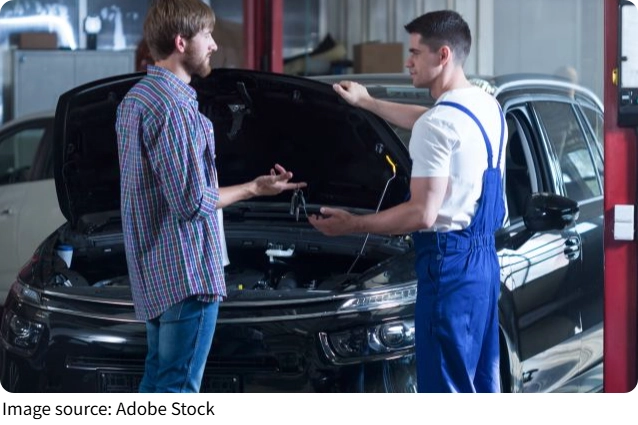
Regular maintenance is key to keeping your car running efficiently. Ensure your spark plugs, fuel injectors, and timing belt are all in good condition. Scheduled maintenance ensures that your car operates at its best, which directly impacts your fuel economy.
Taking care of your car and adjusting your driving habits doesn't have to be difficult. By implementing these 10 simple tips, you'll be driving smarter and saving money every time you hit the road. Keep your car light, efficient, and well-maintained, and you'll see the difference in your wallet. Happy driving!