After the Crash Guide

Ravish Kumar
| 02-12-2025
 · Vehicle Team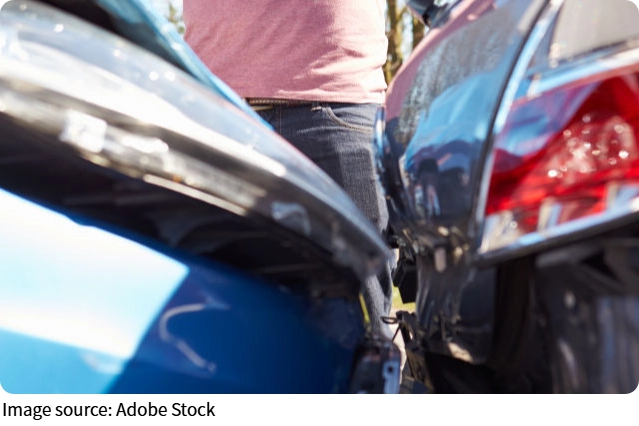
You never expect it, but accidents can happen in the blink of an eye.
One moment you're checking your phone or listening to music, and the next, metal crunches and tires screech.
It's a shocking, stressful moment, but knowing what to do immediately afterward can keep you safe, help everyone involved, and make insurance claims much smoother.
Check for Injuries
The very first step is to make sure no one is hurt. Even minor collisions can cause hidden injuries, so don't ignore pain or dizziness. Check yourself first, then your passengers. If anyone is injured, call emergency services right away. Even if injuries seem minor, it's wise to seek medical attention, as some symptoms appear hours later.
Move to a Safe Spot
If the accident is minor and the cars are drivable, pull over to a safe location away from traffic. This prevents further collisions and gives you space to handle the situation calmly. Turn on your hazard lights to alert other drivers, and if possible, set up warning triangles behind your vehicle.
Call the Authorities
Even if the damage seems minimal, calling the police is important. They document the scene and create a report that can protect you later. Stay calm when speaking to the officer, give clear facts, and avoid blaming the other driver. This report can be critical when filing insurance claims or addressing disputes.
Document Everything
Evidence is your best friend after a crash. Take clear photos of all vehicles involved, any damage, skid marks, and the surrounding environment. Write down details like the other driver's name, insurance information, and license plate numbers. Also note the time, date, weather conditions, and any witnesses. This record makes insurance claims smoother and can prevent confusion later.
Exchange Information
Make sure you share your contact information and insurance details with the other party. Stick to the facts—avoid admitting fault or making assumptions about how the accident happened. Keeping the conversation civil is crucial.
Notify Your Insurance
Call your insurance company as soon as possible. Provide all the documented information and follow their instructions for filing a claim. Prompt reporting helps speed up repairs, ensures coverage, and prevents potential disputes.
Take Care of Your Vehicle
Even small fender-benders can cause hidden damage. Schedule a thorough inspection at a trusted auto shop. Look for signs like unusual noises, misaligned steering, or fluid leaks. Getting repairs done early prevents minor issues from turning into expensive problems.
Manage Your Emotions
Accidents can leave you shaken. Stress, anxiety, and frustration are normal reactions. Take a few deep breaths, talk to someone you trust, and avoid making important decisions immediately if you feel emotional. Staying calm ensures you handle the situation logically and safely.

Learn From the Experience
After the initial chaos has passed, reflect on what happened. Did distractions play a role? Were you following too closely? Did weather or road conditions contribute? Learning from accidents helps you become a safer, more attentive driver. Simple habits like keeping a safe following distance, scanning the road ahead, and staying alert can prevent future incidents.
Protect Yourself and Others
Accidents are stressful, but how you respond matters more than the crash itself. Staying calm, following these steps, and documenting everything protects you, your passengers, and others on the road. It turns a frightening experience into a manageable one and ensures you're ready for the next drive with more awareness and confidence.
Taking these actions immediately after an accident isn't just about insurance or repair—it's about safety, responsibility, and peace of mind. Next time the unexpected happens, you'll know exactly what to do.