Rethinking Car Ownership

Naveen Kumar
| 02-12-2025
 · Vehicle Team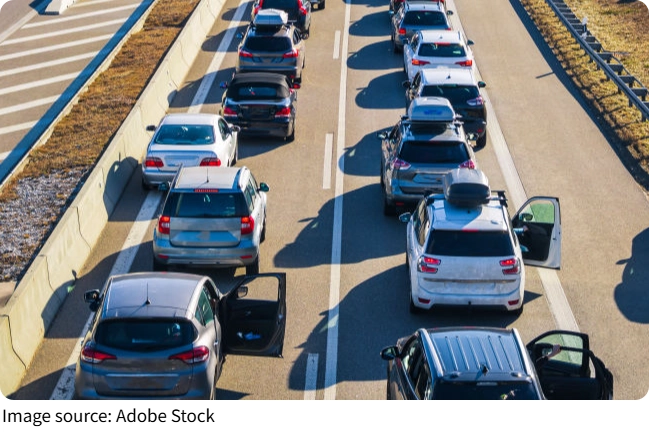
Have you ever parked your car for hours, realizing you didn't really need it that day? Or wondered if owning a vehicle is worth the cost, insurance, and maintenance?
For many people, traditional car ownership is becoming less practical, especially as cities grow and traffic congestion increases.
Enter Mobility as a Service, or MaaS—a concept that could completely reshape how we move and even reduce the need for personal cars.
What Is Mobility as a Service?
MaaS is essentially an integrated system that combines multiple forms of transportation into a single service accessible via a digital platform. Think ride-sharing, public transit, bike rentals, scooters, and even car-sharing all in one app. Users can plan trips, purchase tickets, and pay for multiple modes of transport seamlessly, eliminating the need for multiple accounts or payment methods.
This convenience makes it easier to rely on shared mobility rather than owning a vehicle, especially in urban areas where parking is scarce and traffic is heavy. MaaS platforms aim to optimize routes, reduce travel time, and provide flexibility for users who may need different types of transport on different days.
Impact on Vehicle Ownership
Reduced Need for Personal Cars: With easy access to multiple transport options, fewer people may feel the necessity to own a car. This is particularly appealing to younger generations who prioritize cost savings and environmental consciousness.
Lower Costs: Owning a car comes with expenses like insurance, maintenance, fuel, and depreciation. MaaS allows users to pay only when they need transport, potentially saving hundreds or thousands of dollars annually.
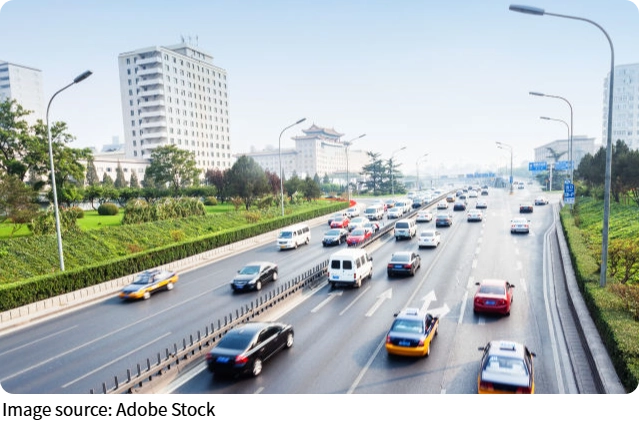
Less Congestion: If fewer people own cars, cities can see reduced traffic and lower parking demand, creating more space for pedestrians, green areas, and bike lanes.
Benefits for Users
MaaS is not just about reducing car ownership—it also offers tangible benefits for daily life:
Flexibility: You can choose the fastest, cheapest, or most comfortable option for each trip.
Seamless Payment: One app or subscription covers multiple transport modes, reducing hassle.
Eco-Friendly Travel: Shared mobility and optimized routing can reduce emissions compared to everyone driving individually.
Time Efficiency: Real-time updates and route optimization help avoid delays and improve travel planning.
Challenges to Widespread Adoption
Despite its advantages, MaaS faces several hurdles before it can fully replace car ownership:
Infrastructure Gaps: Not all cities have the necessary public transit, bike-sharing, or scooter networks to support MaaS effectively.
Integration Complexity: Combining multiple transport providers into one seamless platform requires coordination, data sharing, and regulatory alignment.
User Trust: People must feel confident that MaaS will reliably meet their mobility needs, especially for last-minute trips or emergencies.
Cultural Shift: Car ownership has long been associated with independence and status. Convincing people to embrace shared mobility requires changing deeply ingrained habits and perceptions.
Global Examples and Early Success
Some cities and companies are already demonstrating the potential of MaaS. Urban areas with robust public transit and bike-share systems have started offering subscription-based mobility packages. Users can pay a monthly fee for a combination of public transit, bike rentals, and ride-sharing credits, making it convenient to leave their cars at home.
In some cases, businesses are integrating MaaS for employees, offering flexible transport options for commuting, meetings, and errands. This not only reduces parking demand at workplaces but also improves employee satisfaction by providing more convenient travel options.
The Future of Mobility
As MaaS continues to grow, personal car ownership may become a luxury rather than a necessity, particularly in dense urban areas. Cars may shift toward niche markets like long-distance travel, weekend adventures, or specialty vehicles. Automakers might also adapt by partnering with MaaS providers or developing fleets designed specifically for shared mobility.
The combination of digital platforms, data-driven planning, and user-friendly payment systems makes MaaS an attractive alternative for those seeking convenience, cost savings, and sustainability. It has the potential to reshape urban landscapes, reduce traffic, and even influence environmental outcomes by lowering carbon emissions.
Final Thoughts
MaaS is more than a technological innovation—it's a shift in how we think about mobility itself. By providing flexible, cost-effective, and eco-friendly options, it challenges the traditional notion that everyone needs to own a car. For individuals, it offers freedom from maintenance, insurance, and parking headaches, while still giving access to reliable transportation.
The rise of MaaS reminds us that convenience, efficiency, and sustainability can coexist. Whether you're a city commuter, a weekend traveler, or someone reconsidering the necessity of car ownership, MaaS opens up new possibilities for getting around smarter, faster, and cleaner.