Cars with Blockchain

Santosh Jha
| 02-12-2025
 · Vehicle Team
Have you ever thought about how much personal information your car collects?
From navigation history to driving habits and even in-car purchases, modern vehicles generate massive amounts of data. While this data can improve your driving experience, it also raises serious privacy concerns.
That's where blockchain technology comes in, offering a secure and transparent way to protect vehicle information.
Understanding Vehicle Data
Modern cars are essentially computers on wheels. Sensors, cameras, and onboard systems constantly record information. This includes GNSS locations, speed, fuel consumption, maintenance alerts, and even biometric data in some advanced models. Manufacturers and service providers use this data to improve safety, offer personalized services, and optimize performance.
However, storing this data centrally makes it vulnerable. Hackers can target databases to steal information or manipulate systems, potentially causing accidents or financial loss. In addition, unauthorized access can compromise privacy, leading to misuse of personal driving habits or location history.
How Blockchain Works
Blockchain is a digital ledger system that records information in blocks linked together chronologically. Once data is entered, it cannot be altered or deleted without consensus from the network, making it nearly tamper-proof. Each transaction or data entry is encrypted and distributed across multiple nodes, meaning there is no single point of failure.
For vehicles, blockchain can record everything from maintenance history to software updates. Instead of relying on a central server, data is shared across a decentralized network, making it far more secure against hacking and fraud.
Benefits for Vehicle Security
Immutable Records: Every change to vehicle data is permanently recorded, ensuring that maintenance logs, ownership records, and software updates cannot be altered fraudulently.
Enhanced Privacy: Drivers can control who accesses their data. Blockchain allows permissioned access, meaning only authorized parties can view or use information.
Reduced Fraud: Odometer tampering, false service records, and vehicle theft become harder with blockchain's transparent, verifiable system.
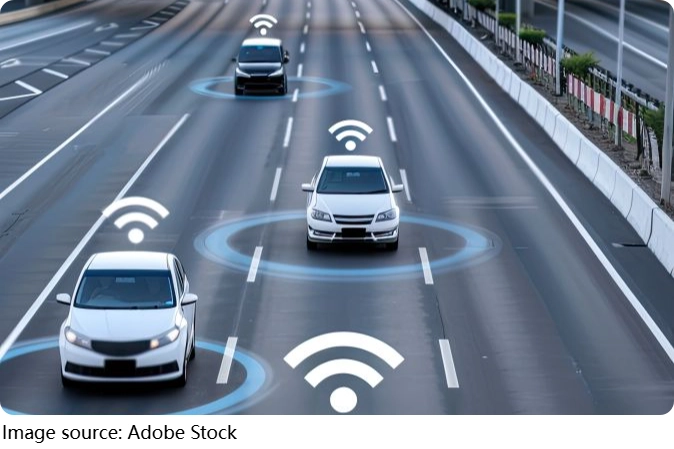
Secure Vehicle-to-Vehicle Communication: As cars communicate with each other in smart traffic systems, blockchain can prevent data tampering, ensuring safety messages are reliable.
Real-World Applications
Some automakers and startups are already testing blockchain-based systems. For example, maintenance and repair records stored on blockchain allow buyers to verify a used car's history without relying on paper documents. Ride-sharing and fleet services can securely track trips, payments, and driver performance.
Even software updates benefit. Over-the-air updates are increasingly common, but traditional methods are vulnerable to hacking. Blockchain ensures updates are authentic and applied only to the correct vehicle, reducing cybersecurity risks.
Challenges to Overcome
Despite its advantages, blockchain adoption in vehicles faces hurdles.
Scalability: Cars generate massive amounts of data every second. Storing all of it on a blockchain can be expensive and technically challenging. Hybrid systems, which combine blockchain with cloud storage, are emerging as practical solutions.
Standardization: Different manufacturers use varied data formats. Agreeing on common standards is crucial for blockchain networks to communicate effectively.
Energy Consumption: Some blockchain systems require significant computing power. Automakers must choose efficient protocols to prevent unnecessary energy waste.
Future Potential
Looking ahead, blockchain could be central to smart mobility. Autonomous vehicles, which rely heavily on accurate and secure data, will benefit from tamper-proof ledgers. Cities implementing smart traffic systems can use blockchain to securely share information between cars, infrastructure, and service providers.
For individual drivers, blockchain can simplify insurance claims, protect personal data, and even enable secure peer-to-peer car sharing. Imagine renting your car for a few hours and knowing the system automatically tracks usage, ensures proper insurance coverage, and logs all activity safely on an immutable ledger.
Takeaway for Drivers
Blockchain in vehicles is more than a tech buzzword—it's a practical solution to real security challenges. While full adoption will take time, early systems already demonstrate benefits in privacy, fraud prevention, and data reliability. For drivers, this means more control over personal information and safer, more transparent vehicle ownership.
As cars continue to evolve into smart, connected devices, blockchain might just be the invisible guardian keeping your data safe while you enjoy the ride.