Car Chip Shortage Crisis

Pardeep Singh
| 02-12-2025
 · Vehicle Team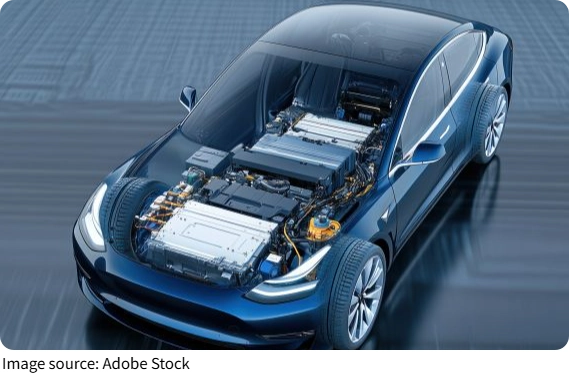
You may have noticed longer waits for new cars or fewer models on dealership lots.
One surprising culprit behind this slowdown isn't paint or tires—it's tiny computer chips, also known as semiconductors.
These essential components control everything from engine performance to infotainment systems, making them the backbone of modern vehicles. The global shortage of automotive semiconductors has disrupted production, leaving both manufacturers and consumers without this important device.
Why Chips Matter in Cars
Today's vehicles are more like computers on wheels than ever before. Semiconductors power crucial systems including engine control units, brake sensors, airbag deployment, GNSS navigation, and even adaptive cruise control. Without these chips, even simple features like turning on the headlights can be affected in modern cars.
The increasing demand for electric vehicles (EVs) and advanced safety features has made cars even more chip-dependent. A standard combustion engine vehicle might use around 1,000 chips, while some high-end EVs and luxury models use over 3,000. This reliance makes the industry highly sensitive to disruptions in chip supply.
Causes of the Shortage
Several factors have converged to create this crisis.
Pandemic Disruptions: When factories shut down due to COVID-19, chip production slowed dramatically. Once demand bounced back, production capacity couldn't keep up.
Surging Electronics Demand: Consumer electronics like laptops, smartphones, and gaming consoles also require chips, competing for the same production lines.
Complex Supply Chains: Semiconductors require highly specialized manufacturing. Building new factories or expanding existing ones takes years and billions of dollars. Even minor disruptions can cascade across the entire automotive supply chain.
Impact on Car Production
The shortage has forced many automakers to cut production temporarily or prioritize certain models over others. Assembly lines have paused because missing chips make it impossible to complete vehicles, leaving factories underutilized and dealerships with limited inventory.
Consumers are feeling the effects through higher prices, longer delivery times, and fewer available options. Some buyers may even have to settle for models with fewer features, as high-tech options like touchscreens, advanced sensors, and connectivity features rely heavily on semiconductors.
Strategies Manufacturers Are Using
Automakers are adapting to survive the shortage, using creative strategies to keep production moving:
Prioritizing High-Demand Models: Companies focus available chips on their most profitable or popular vehicles, delaying less critical models.
Adjusting Vehicle Features: Some vehicles are shipped without non-essential tech features, allowing production to continue while waiting for chips.
Securing Supply Contracts: Manufacturers are negotiating long-term agreements with chip suppliers to guarantee a steady flow, reducing vulnerability to sudden shortages.
Consumer Tips During the Shortage
For buyers navigating this tricky market, there are ways to make the process easier:
Plan Ahead: Expect longer wait times and be flexible on model or feature choices.
Consider Used or Certified Pre-Owned Cars: Inventory may be more plentiful in the secondary market.
Stay Informed: Monitor manufacturer updates on chip availability, as this can affect delivery schedules and pricing.
Looking Ahead
The chip shortage has exposed just how dependent the automotive industry is on these tiny components. While new semiconductor factories are being built and production is gradually increasing, it will take time for supply to meet global demand. Manufacturers are also exploring ways to simplify chip usage, improve design efficiency, and localize production to reduce future risks.
This situation also underscores a broader lesson: modern cars are not just mechanical machines—they are sophisticated electronic devices. Future vehicle owners will benefit from understanding the tech inside their cars and the global factors that influence production.

Final Thoughts
The automotive semiconductor shortage is more than an inconvenience—it's a wake-up call for both the industry and consumers. By staying informed, planning ahead, and understanding how your car relies on these vital components, you can navigate the market with less frustration.
Meanwhile, automakers are learning to build more resilient supply chains, ensuring that the next generation of vehicles can roll off assembly lines smoothly, even when unexpected disruptions occur.