Autonomous Cars & Traffic

Santosh Jha
| 28-11-2025
 · Vehicle Team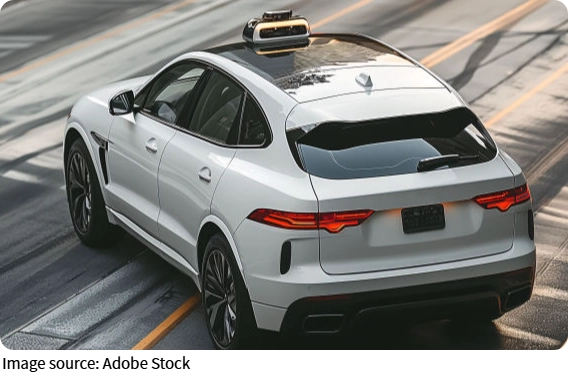
The emergence of autonomous vehicles (AVs) is poised to transform the way we think about transportation.
With technology advancing at an unprecedented rate, self-driving cars are expected to become a central component of future traffic systems.
These vehicles, equipped with advanced sensors, AI algorithms, and machine learning systems, promise to revolutionize not only the car industry but also the very fabric of urban mobility. But what will this shift look like?
How will traffic systems, infrastructure, and urban planning evolve in response to these changes? This article explores the potential impact of autonomous cars on traffic systems, urban life, and road safety.
The Rise of Autonomous Vehicles
Autonomous vehicles have been the subject of significant research and development for decades, and they are now entering a critical phase of integration into real-world applications. What started as a theoretical concept has been steadily making its way to the streets, with several companies, including Tesla, Waymo, and Cruise, already deploying autonomous vehicles in select locations for testing and public use.
These vehicles are equipped with technologies such as LiDAR, radar, cameras, and advanced machine learning algorithms that allow them to detect obstacles, navigate complex environments, and make decisions without human input.
One of the most important aspects of autonomous vehicles is their potential to reduce human error, which is the leading cause of most traffic accidents. By removing the unpredictability and inattention that come with human drivers, autonomous vehicles are expected to make roads safer, more efficient, and less congested.
However, the integration of these vehicles into current traffic systems presents both exciting opportunities and significant challenges.
Impact on Traffic Flow and Congestion
One of the most significant impacts of autonomous vehicles will be on traffic flow and congestion. In traditional traffic systems, vehicles often travel at inefficient speeds due to human factors such as stop-and-go driving, tailgating, and sudden braking. With autonomous cars, the flow of traffic could become smoother and more coordinated.
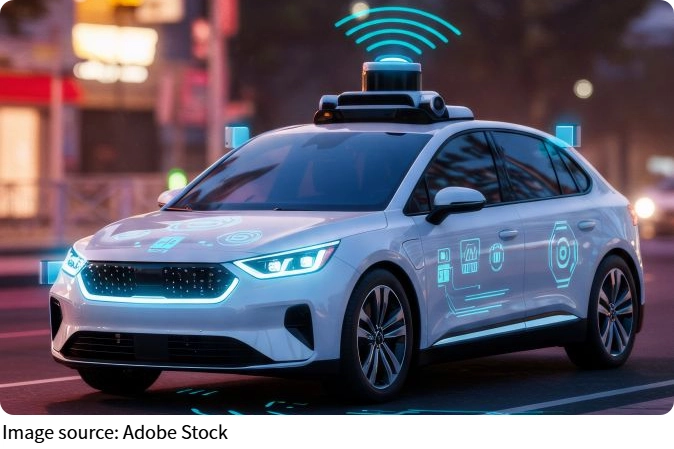
These vehicles will be able to communicate with each other, sharing data in real-time to optimize traffic flow, adjust speeds, and reduce bottlenecks.
For instance, autonomous vehicles could use "platooning" technology, where multiple vehicles travel in close formation, reducing air resistance and improving fuel efficiency. This could dramatically decrease congestion on highways and urban roads, particularly during rush hour.
Moreover, as autonomous cars can drive more predictably and with greater precision, traffic lights and stop signs may become obsolete or less frequent, leading to a more seamless driving experience.
In the long term, the integration of autonomous vehicles into traffic systems could result in fewer traffic jams, reduced travel times, and improved fuel efficiency. With fewer vehicles on the road or with them moving more efficiently, cities could experience less congestion, cleaner air, and reduced emissions, which would contribute to overall improvements in environmental sustainability.
Redefining Road Safety
The safety benefits of autonomous vehicles are perhaps the most compelling argument for their widespread adoption. Human error accounts for approximately 90% of all traffic accidents, leading to injuries, fatalities, and high economic costs. Autonomous cars, with their ability to process vast amounts of data in real-time and make decisions more quickly and accurately than human drivers, could drastically reduce the occurrence of accidents.
These vehicles are also capable of responding to emergencies in ways that human drivers cannot. For example, if an autonomous car detects an obstacle in its path, it can apply emergency brakes or steer to avoid a collision with lightning-fast reflexes, much faster than a human could react. Furthermore, AVs can communicate with each other and with traffic infrastructure, allowing for better coordination in emergency situations.
However, while autonomous cars have the potential to dramatically reduce accidents, they are not without their own safety concerns. The technology must undergo rigorous testing to ensure that these vehicles are safe in all environments and conditions, from extreme weather to unpredictable human behavior.
Public trust in the safety of AVs will be critical to their widespread adoption, and there will need to be a clear regulatory framework in place to govern their use.
Urban Planning and Infrastructure Changes
The rise of autonomous vehicles will likely require significant changes to urban planning and infrastructure. Roads, parking structures, and traffic management systems will need to be redesigned to accommodate self-driving cars. For example, parking spaces may become less necessary as autonomous vehicles can drop off passengers and then drive themselves to remote parking areas, reducing the need for large parking lots in urban centers.
Moreover, autonomous vehicles will require new types of infrastructure to function optimally. "Smart roads" embedded with sensors, cameras, and communication technologies will enable vehicles to communicate with the road infrastructure, creating a more efficient and responsive transportation system. Traffic signals could evolve into dynamic, real-time systems that interact directly with vehicles, optimizing traffic flow and reducing delays.
Public transportation systems may also be impacted. Autonomous buses, shuttles, and ride-sharing vehicles could provide on-demand, flexible transit options for individuals, making public transportation more convenient and accessible. As autonomous cars become more prevalent, cities may shift from large-scale, centralized transportation hubs to decentralized, on-demand systems that offer greater flexibility.
Economic Implications and Job Displacement
The widespread adoption of autonomous vehicles will have profound economic implications. On the one hand, the automotive and technology sectors stand to benefit significantly from the development and deployment of AVs. The market for self-driving cars and related technologies is projected to grow rapidly in the coming years, with billions of dollars in investments flowing into research and development.
However, there are also significant challenges. The introduction of autonomous cars could lead to job displacement in industries such as transportation, logistics, and insurance. For example, truck drivers, taxi drivers, and delivery personnel may find their jobs at risk as self-driving vehicles take over many of the tasks currently performed by humans.
There will need to be proactive measures to retrain workers and ensure that the workforce can transition into new roles within the evolving economy.
A Future with Autonomous Vehicles
Autonomous vehicles have the potential to revolutionize traffic systems, making roads safer, more efficient, and less congested. While challenges remain, from safety concerns to infrastructure upgrades, the benefits of AVs are too significant to ignore.
As technology continues to improve and regulations evolve, the day when self-driving cars become a central part of our transportation systems may be closer than we think. The future of autonomous vehicles is not just about cars—it's about reshaping the way we move through and interact with our cities.