Electric Two-Wheel Surge

Nolan O'Connor
| 28-11-2025
 · Vehicle Team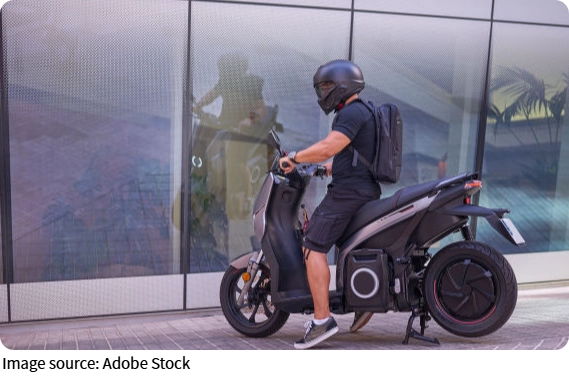
Every morning, the streets are buzzing with scooters and motorcycles weaving through traffic. Among the familiar roar of engines, a quieter hum is growing—electric motorcycles.
They're slick, fast, and emission-free, yet their rise comes with both excitement and challenges. For riders, city planners, and manufacturers alike, e-motorcycles are reshaping urban mobility—but not without obstacles.
The appeal of electric motorcycles
Electric motorcycles offer immediate advantages. They're quiet, which means less noise pollution in busy urban areas. They accelerate quickly, often faster than small gas-powered bikes, thanks to instant torque from electric motors. And of course, they produce zero tailpipe emissions, contributing to cleaner air.
Many riders also appreciate lower operating costs. Charging an electric bike is typically cheaper than refueling a gasoline model, and maintenance is simpler because electric motors have fewer moving parts. Over time, these savings can be significant, making e-motorcycles attractive to commuters who ride daily.
Infrastructure and charging challenges
Despite the benefits, adoption is not without friction. The first hurdle is the charging infrastructure. Riders need convenient access to charging stations, and range anxiety—the fear of running out of power mid-trip—remains a common concern. Unlike cars, motorcycles are smaller, so fitting fast-charging solutions and home chargers can be tricky.
Some cities have started installing public chargers specifically for two-wheelers, but coverage is still uneven. Until riders can confidently plan trips without worrying about battery depletion, growth will remain limited.
Battery limitations and costs
Another challenge is the battery itself. While battery technology has improved, high-capacity packs add weight and cost to motorcycles. Manufacturers must balance performance with affordability, which often results in compromises on range or speed.
Replacement batteries can also be expensive. Unlike a simple oil change, a worn-out battery pack might cost several hundred to a few thousand dollars, depending on the model. For riders considering switching from traditional motorcycles, this upfront investment can be a deterrent.
Safety and perception
Perception plays a role as well. Electric motorcycles are quiet, which is a plus for noise reduction but a potential safety risk. Pedestrians and other drivers might not hear an approaching bike, increasing the chances of accidents. Manufacturers are addressing this with artificial sounds and lights, but it's still a learning curve for urban traffic systems.
Riders themselves may need time to adapt. Electric bikes often deliver power differently than combustion engines, with sudden torque that requires careful handling. Training and awareness programs can help, but adoption will be gradual.
Market growth and innovation
Despite these challenges, the market for electric motorcycles is expanding. Startups and established manufacturers are experimenting with swappable batteries, lightweight frames, and integrated smart technology like GNSS and real-time diagnostics. Some companies even allow riders to reserve and unlock bikes via mobile apps, merging the sharing economy with electrification.
Governments and cities are also stepping in with incentives—tax breaks, rebates, or priority parking—to encourage riders to switch. These measures help offset initial costs and make e-motorcycles a more compelling choice for commuters.
The urban mobility revolution
Electric motorcycles are more than just a trend—they're part of a broader shift in urban mobility. They fit neatly into multi-modal transportation systems, complementing public transit, bike lanes, and pedestrian zones. For congested cities, a fleet of electric two-wheelers can reduce traffic, emissions, and noise simultaneously.
Yet, success depends on a combination of technology, infrastructure, and rider behavior. Manufacturers must continue innovating, governments need to support infrastructure, and riders must embrace new habits. When these elements align, electric motorcycles could transform the way cities move.
A thoughtful road ahead
For riders, the choice isn't just about cost or performance—it's about contributing to a cleaner, smarter urban environment. For manufacturers, it's an opportunity to pioneer the next generation of personal transport. And for cities, it's a chance to redesign streets for efficiency, safety, and sustainability.
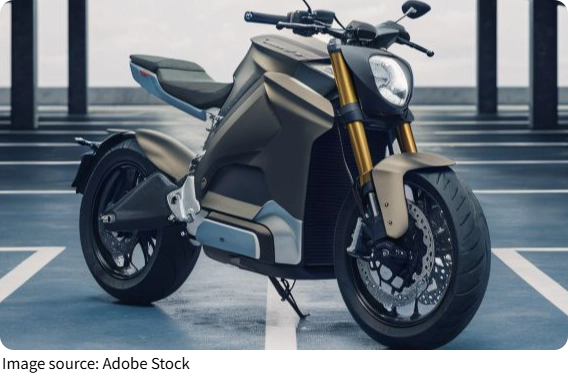
The rise of electric motorcycles is accelerating, but the journey is just beginning. As technology improves and adoption spreads, these bikes may no longer be a niche option—they could become the default choice for millions of daily commuters. Quietly, efficiently, and sustainably, the streets are changing, one electric hum at a time.